
Dry or Wet Food for Your Cat: Deciding Without a Universal Rule
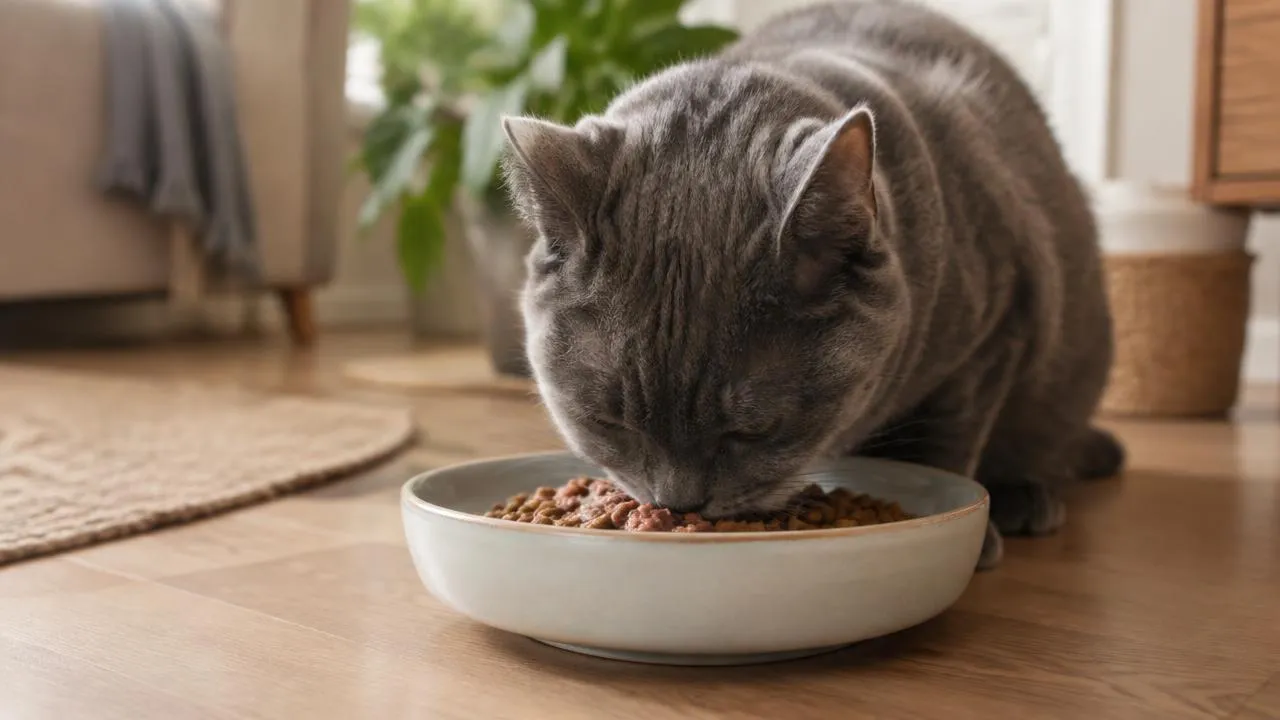
There is no single identical answer for every cat when it comes to the question of the ideal food format. The AAFP consensus statement addresses, amongst other aspects, the organisation of meals, individual requirements, and feeding puzzles compatible with either dry or wet food. Choosing a complete and suitable diet remains a topic to discuss according to the animal's individual circumstances. It is therefore helpful to separate the question of what is fed from how meals are served. The goal is to identify useful reference points, not to impose an inflexible universal model. Each household can examine its available resources, the cat's specific habits, and any practical constraints, then review its daily routine if observations warrant it.
Understanding Everyday Feeding Habits
The question of food format is not settled by a universal rule. The nutritional needs, health status, and habits of each individual animal must be factored into the decision. If a specific diet is being considered, ask your vet for professional guidance. A clearly visible calendar can help household members coordinate, especially when several people share feeding duties. It is helpful to note down what was served and what was actually eaten, rather than simply refilling the bowl without recording meal times and portions.
The AAFP consensus examines both what is fed and the manner in which food is provided. Kibble or wet food does not alone dictate the frequency, location, or atmosphere of mealtimes. These parameters can be evaluated separately to establish a workable routine. Check also whether your pet has a quiet space to retreat to after eating. Having the option to move away without encountering another cat can play an important role in overall household organisation. Observations remain individual and should always be interpreted with appropriate caution.
Evaluating Space and Feeding Access
Certain puzzles are designed specifically for dry food, whilst others are intended for wet food, notes the document. Check the instructions for the chosen item and ensure it suits your cat's abilities. Starting with simple manipulation reduces the risk of making access to the daily ration unnecessarily difficult. General advice cannot replace a tailored recommendation based on your cat’s medical records. Age, physical condition, and specific needs may alter the most appropriate choices. Always have any dietary decision motivated by a medical concern validated by your vet.
The quantity of food served is a distinct matter from its physical format. Your vet can advise on suitable daily energy intake and an accurate measurement method. The AAFP highlights digital scales or volumetric measurement, whilst noting that measuring by volume can prove imprecise for some owners. When comparing multiple days, keep observation conditions as consistent as possible. A dated description helps you identify ongoing changes and report factual observations without exaggeration. Do not wait for the end of a recording period if your companion's condition causes you concern.
Organising Daily Meal Times
A cat's dietary preferences can be observed without multiplying different food offerings in a disordered fashion. Take note of what is accepted, what remains uneaten, and the surrounding circumstances. A lasting change in appetite requires professional discussion rather than a succession of improvised adjustments. A simple arrangement is often far easier to maintain than a complicated setup. Regularly check that bowls and feeding appliances remain clean and functional, in line with manufacturer guidelines. The manual for your exact model remains the definitive reference for its proper care and cleaning.
In a multi-cat household, attributing food intake to each individual animal is essential regardless of the type of food provided. Separate feeding stations can help you monitor and respect individual needs, particularly when animals do not spontaneously share their living space. Remember to describe all foods offered, including treats, and how portions are measured when consulting your veterinary professional. These precise details avoid vague estimates and allow for a constructive discussion about the overall ration. Do not introduce dietary restrictions without professional advice if you are uncertain of your animal's requirements.
Monitoring and Adjusting Methodically
Food and fresh water placement are integral parts of your cat's daily living environment. The consensus recommends positioning feeding stations well away from litter trays and within areas where the cat feels secure. Adapt this layout to your pet’s natural movement patterns throughout the home. A feeding puzzle is not necessarily suitable for every cat or every household situation. The aim is to offer an accessible, enriching activity without making meals difficult to obtain. Re-evaluate puzzle feeding if your cat appears frustrated or regularly struggles to feed successfully.
To compare two dietary options, ask your vet which nutritional criteria are truly relevant for your cat rather than relying on generalised assumptions about a food format. A professional can take into account specific health requirements, overall ration size, and body condition scoring. Feeding appliances and their available features vary significantly between models. Before relying on automated programming, examine the specific product instructions and test its operation in your cat's presence. Direct personal observation remains essential to verify that the feeding arrangement works well in everyday reality.
At Accessoires Chat, a black automatic kibble dispenser with Wi-Fi is currently in preparation and is not yet available for sale. Its price has not been finalised and the image is illustrative. Features remain to be confirmed on the instruction manual of the model that is actually delivered.
Sources and further reading
This advice is for information only and does not replace your veterinarian's opinion.