
Idiopathic cystitis and litter: adapting the cat's environment
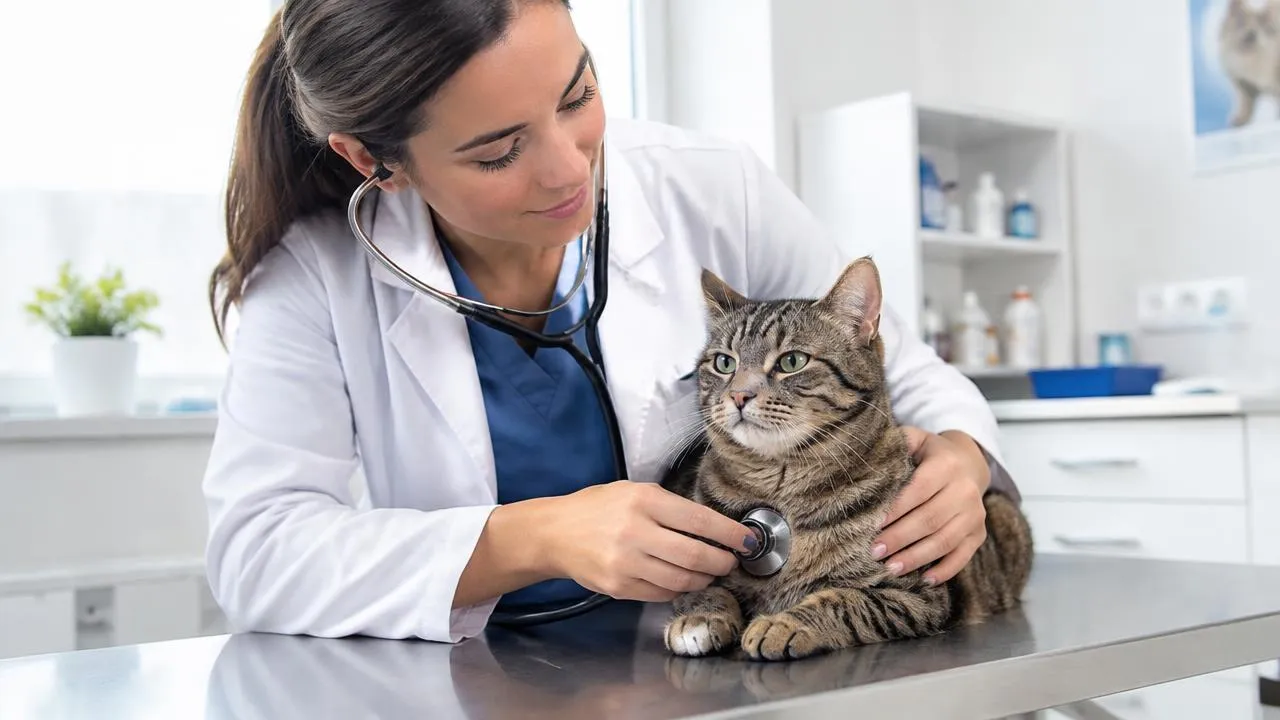
Linking idiopathic cystitis and litter does not mean granules explain everything, nor that a new tray will cure your cat. Toilet management is part of a broader approach, built with the vet. It allows for comfort, preferences and relationships between animals to be considered, without erasing the medical dimension of the disorder. To act effectively, one must first understand this diagnosis, then examine the concrete conditions for accessing an acceptable urination spot.
A diagnosis that does not rest on the tray alone
The MSD Veterinary Manual states that the cause of feline idiopathic cystitis remains unknown. It mentions an interaction between the lower urinary tract, stress and modified neurohormonal factors. It does not, therefore, describe a disease simply caused by a lack of cleaning. This nuance avoids blaming the owner or promising that a better-maintained setup will necessarily eliminate all episodes. Understanding the complex origins is essential before attempting any environmental modifications for the affected cat.
Diagnosis is made after excluding other origins of urinary signs, notably through analysis, culture and imaging examinations. AAFP/ISFM guidelines also remind us that no single test confirms this condition. If your cat shows straining without urine, contact a vet immediately: idiopathic cystitis can also be obstructive and must not become a reassuring label when facing a new difficulty. Professional medical assessment remains the priority before concluding that the issue is purely environmental or behavioural.
Choosing a space usable by this cat
AAFP/ISFM recommendations emphasise the necessity of easy access to toilets. They note that some animals avoid busy areas and that unpleasant experiences around the tray can lead to its rejection. Therefore, check the path, proximity to noisy appliances and the interactions occurring there. The starting point is the possibility of coming and going peacefully, not the search for the least visible corner for humans. Accessibility must always take precedence over the owner's aesthetic preferences.
Closed or open tray: the text reports shared preferences, influenced notably by cleanliness. It favours open models when possible to facilitate monitoring and scooping. This does not justify ignoring the choice observed in your animal. A hood that seems reassuring to the owner does not necessarily suit the cat, just as an open setup is not a universal guarantee of acceptance or comfort. Observing the individual cat's reaction to different configurations remains the most reliable method.
Respecting the substrate and maintaining cleanliness
The AAFP/ISFM generally recommends a fine, unscented, clumping material, while recognising individual preferences for depth and texture. To explore these, authors suggest several trays featuring different substrates or depths. This approach involves letting a preference emerge, rather than successively imposing every available product. Arguments intended for buyers do not alone dictate what the cat will appreciate. The cat’s sensory experience is the primary factor in determining which litter type will be accepted and used.
The document requires waste removal at least once daily and washing with soap and hot water. It advises against deodorising powders and ammonia-based or strong chemical cleaners. Maintenance must make the toilets welcoming rather than perfuming the room. If automatic equipment is used, check the manual of the exact model for applicable procedures; do not grant it a general exemption from cleaning. Regular hygiene is vital to prevent the cat from seeking alternative locations to urinate.
Considering other animals and past experiences
In shared homes, guidelines describe cats that monopolise resources and complicate others' access to toilets. Observe encounters and exit possibilities, not just the number of trays present. A plan indicating resources and conflict zones can inform discussions with the vet. Management then considers real animals and their relationships, rather than a purely theoretical organisation. Effective placement must account for social dynamics to ensure every cat feels safe when using their facilities at any time.
The authors also signal that giving medicine in the tray, letting a child trap the animal there or associating it with a painful experience can encourage avoidance. Therefore, reserve toilets for their function instead of making them a place to restrain the cat. These considerations do not cancel medical research: several factors can coexist, and behaviour apparently linked to context can also accompany urinary discomfort. Protecting the toilet's neutrality helps maintain its consistent use over time.
Integrating these changes into global management
The MSD specifies that treatment aims to decrease the severity and frequency of episodes. It mentions stress reduction, tray management, inter-cat relationships, certain dietary adaptations, pheromones and analgesics. Toilets therefore constitute one component among several. Their optimisation replaces neither therapeutic decisions nor pain assessment, and does not guarantee the absence of recurrence. A holistic view is necessary, combining environmental changes with medical follow-up to provide the best possible support for the cat's chronic health.
To track adjustments, describe their implementation and the observed evolution, then review with the practitioner. AAFP/ISFM recommendations give weight to monitoring and plan adaptation. Improvement is useful information, not proof that a single factor explained the disease. If symptoms return, get back in touch instead of adding new modifications or concluding that the chosen equipment has become insufficient. Consistent communication with the veterinary team ensures that any relapse is managed quickly and with the correct medical oversight.
The Cat Accessories catalogue includes a round, automatic and connected litter box, currently in preparation. It is not yet for sale; the price has not been validated and the image is illustrative. All specifications must be confirmed in the manual of the delivered model. This project presentation does not allow for claiming any effect on cystitis or its progression. It remains a prototype intended for future reference and is not currently available.
Sources and further reading
- AAFP and ISFM Guidelines for diagnosing and solving house-soiling behavior in cats (Journal of Feline Medicine and Surgery, 2014)
- Manuel vétérinaire MSD — Lower Urinary Tract Disease in Cats
This advice is for information only and does not replace your veterinarian's opinion.