
Automatic Feeder or Classic Bowl: Which Should You Choose for Your Cat?
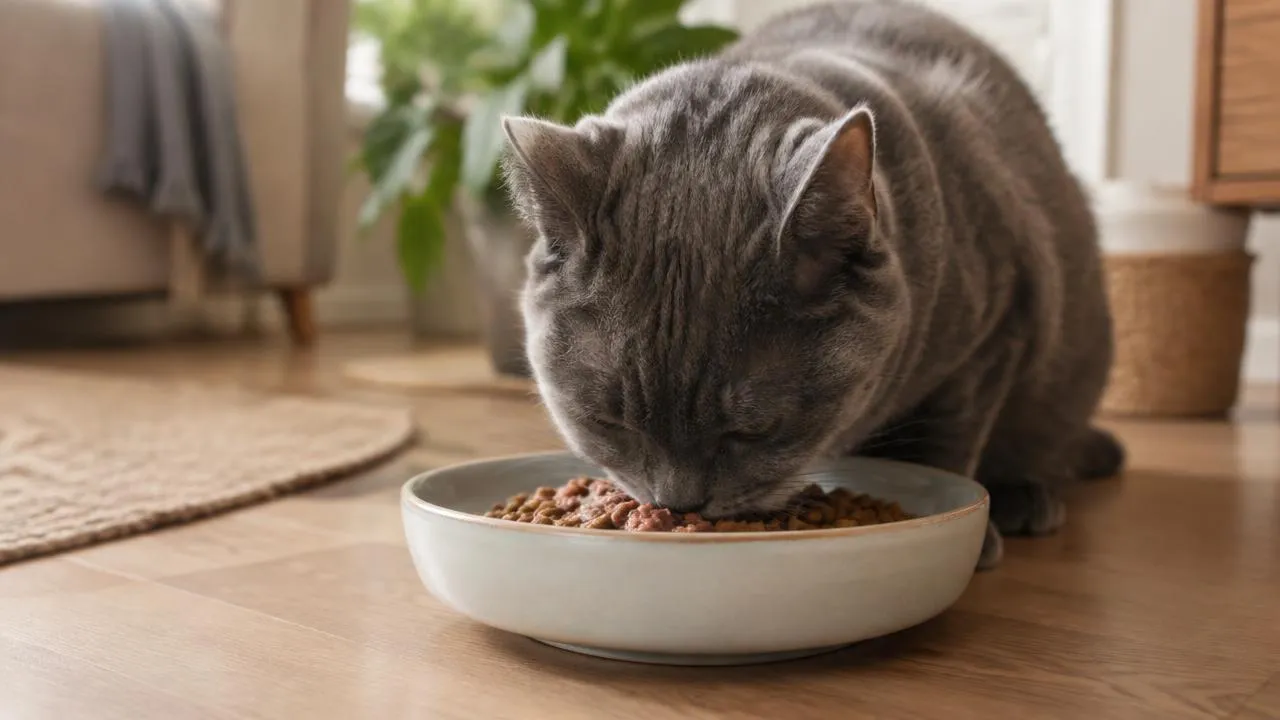
Between an automatic feeder and a traditional bowl, there is no single universal choice for every pet. One can help schedule multiple meals throughout the day, whilst the other offers a simplicity that facilitates direct observation. In either case, it is essential to know the daily ration, ensure the cat is eating, and arrange peaceful access. The AAFP consensus statement highlights natural feline behaviours: eating frequently and alone, foraging for food, and having access to resources within a suitable environment.
What automation changes
An automatic feeder can help divide a daily ration into smaller, regular meals, particularly when household routines vary. The AAFP consensus statement notes that automated devices can be genuinely useful, whilst clarifying that they generally do not provide opportunities for foraging or predatory behaviour. Automated programming does not therefore mean that all behavioural and welfare needs are met.
Features differ considerably from one device to another. Check the exact model manual to understand how to set it up correctly and identify its practical limits. An automated feeder cannot guarantee that the cat actually came to eat, nor that another pet has not stolen its share. Plan to monitor food intake and keep an alternative method available if the device is unavailable.
Remember that feeding behaviour must always be evaluated within its domestic context. The presence of other animals, the physical placement of resources, and broader household routines can all influence how easily a cat reaches its bowl. Note down concrete observations and seek professional veterinary advice if any feeding difficulties persist or if your cat's appetite undergoes a noticeable change.
The classic bowl retains practical advantages
A conventional bowl served by an owner allows you to observe the cat directly at mealtimes and adapt feeding schedules to the household routine. It certainly does not prevent you from dividing the total daily allowance into several small portions. However, this approach requires consistent presence at home and careful measurement of quantities. You must also ensure that the cat is not disturbed by another animal whilst eating.
A bowl left constantly full can make it far more difficult to track how much food has actually been consumed, particularly in multi-cat households. The AAFP notes that households often offer large quantities across just one or two meals, or leave food out freely without considering individual requirements. Whatever method you select, both portion size and peaceful access require careful thought.
Avoid making multiple environmental or dietary changes at the same time, as this makes it much harder to understand what truly benefits your cat. Introduce one adjustment at a time, maintain routines and cues that are already working well, and review the situation with your veterinary surgeon whenever your pet's circumstances or individual health needs change.
In both cases, measure and monitor
The appropriate daily ration should always be discussed and determined with your veterinary surgeon. The AAFP recommends measuring food portions using kitchen scales or a calibrated measuring cup, emphasising that volumetric estimates can often be inaccurate. Record the quantities offered and systematically observe any leftovers. Weight and body condition warrant regular monitoring, especially for cats with specific nutritional or medical requirements.
A sudden shift in appetite or a persistent struggle to access food cannot simply be resolved by switching feeding equipment. The consensus statement advises the veterinary team to help evaluate feeding behaviour and identify potential signs of tension. If you have concerns regarding your cat's ration, overall health, or feeding style, seek professional advice before modifying its daily diet.
Take the time to keep all essential feeding information in an easily accessible place: exact meal times, prescribed daily amounts, and clinic contact details. Maintaining this clear written record simplifies communication with family members or pet sitters and helps you spot subtle changes in routine, rather than relying solely on a saved digital setting or rough memory.
Choosing a system that respects natural behaviour
Cats generally prefer to eat frequently and in solitary conditions. Puzzle feeders and foraging activities can provide valuable extra stimulation, according to the AAFP. They can effectively complement a traditional bowl or an automatic dispenser, provided the cat accepts them and portions remain strictly controlled. Start with low difficulty, observe the cat's response, and ensure it can always access its food without frustration.
In homes with multiple cats, arrange separate feeding stations that are visually partitioned and placed in quiet areas where each individual animal feels secure. A shared bowl or device can encourage competition or prevent a cat from reaching its ration. The chosen setup may even differ from one cat to another. The true criterion is not technological sophistication, but measured, accessible, and stress-free feeding.
The layout of the feeding area deserves just as much consideration as the equipment itself. Choose a stable, quiet, and easily accessible location, then observe whether your cat settles down to eat comfortably. Your pet's immediate response remains an invaluable indicator: adjust the domestic arrangement promptly if mealtimes seem rushed, repeatedly interrupted, or actively avoided.
At VEYRULIS, a black automatic kibble feeder with Wi-Fi is currently in preparation and not yet on sale. Its final retail price is not finalised and the image shown is purely illustrative. Definitive features remain to be confirmed on the delivered model's instruction manual; compare its functions carefully with your needs before deciding if it makes a useful addition to a classic bowl.
Sources and further reading
This advice is for information only and does not replace your veterinarian's opinion.