
Cat Water Dispenser: Gravity Feeder vs. Electric Fountain
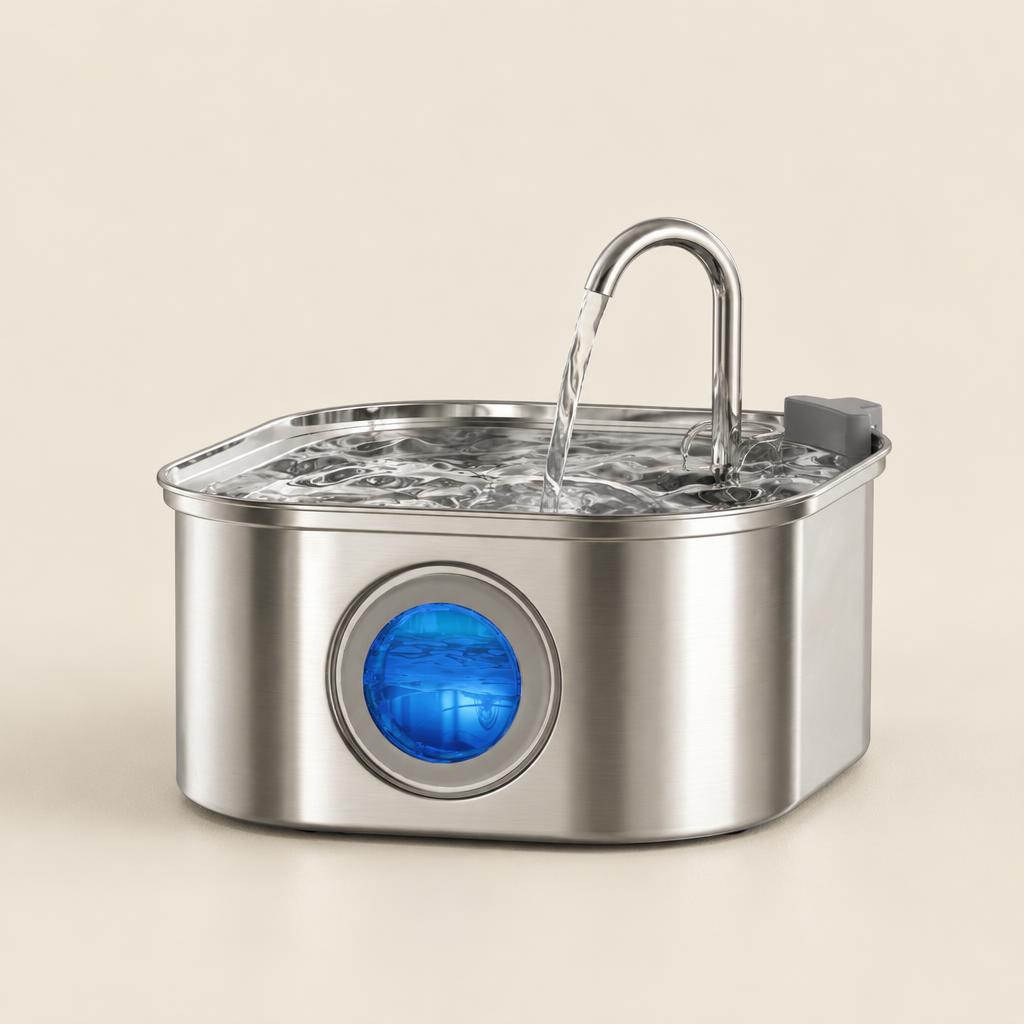
To guarantee a dependable water supply for your cat, two main types of dispensers dominate the market: the gravity water dispenser, with its inverted storage bottle, and the electric pet fountain, equipped with a circulating pump and filter. Both options offer distinct benefits along with practical limitations. Here is a clear comparison of mechanics, hygiene, maintenance, and feline behavior to help you choose the best cat water dispenser for your companion and your daily routine.
How a Gravity Water Dispenser Works
The drinking dish on gravity dispensers is often relatively narrow. For a cat sensitive to whiskers brushing against the edges, choose a model with a wide basin or place a traditional shallow dish nearby.
A gravity feeder relies on an inverted reservoir, typically a plastic or glass bottle, seated securely on a base. As your cat drinks, water flows smoothly down into the dish by simple atmospheric gravity.
It requires neither an electrical outlet nor a mechanical pump. The device operates completely silently, remains effortless to assemble, and is generally budget-friendly to purchase.
Because it holds a generous volume, it provides a practical water reserve during a brief absence or in a room where power sockets are unavailable.
In contrast, the water is neither filtered nor circulating: it sits stagnant inside the open bowl and reservoir, leaving it prone to gathering dust over time.
How an Electric Fountain Works
An electric pet fountain relies on a compact submersible pump that circulates water continuously, passing it through a multi-layer filter designed to trap loose fur, dust, and food debris.
Moving water naturally appeals to many cats, who perceive a flowing stream as cleaner and fresher. It is often the ideal solution for pets that persistently drink from running bathroom taps.
However, running a fountain demands a nearby electrical outlet, regular pump cleaning, and the periodic replacement of filter cartridges to preserve water quality and steady flow.
The motor also emits a gentle mechanical hum, which can be more or less noticeable depending on the specific model, water level, and how well it is maintained.
Hygiene Considerations for Both Systems
For a gravity feeder, completely disassemble and wash the bottle and base at least once weekly. Use a bottle brush to scrub inside the narrow neck where slippery biofilm settles most discreetly.
In a gravity model, reservoir water can sit unchanged for several days. Biofilm, that slimy microbial layer, quickly forms in the drinking dish and bottle opening, areas that are often awkward to reach.
With an electric fountain, the filter captures physical debris, but the pump impeller and plastic seams still accumulate grime. Thorough weekly disassembly and cleaning remain essential for proper hygiene.
In both cases, refresh the water completely every two to three days, even if the storage tank is not yet empty, to prevent bacterial development.
Having a large reservoir capacity never excuses you from routine cleaning and regular water renewals.
Feline Appeal and Drinking Habits
Setting up both drinking stations in separate rooms allows you to identify your cat's preference quickly by checking the remaining water levels each evening over the course of a week.
Certain cats drink willingly from a gravity dispenser, whereas others ignore it entirely because standing water lacks appeal and the drinking dish can feel uncomfortably cramped for their whiskers.
A fountain generally attracts cats drawn to running streams. Nevertheless, a cautious or timid cat may initially be wary of the subtle motor hum or surface water movement.
There is no universal preference among felines: observe your pet's daily behavior carefully and consider offering both setups to evaluate what works best.
Always keep a classic water bowl available as a familiar backup throughout any transition period so your cat stays properly hydrated.
How to Choose the Right Model
Read the manufacturer cleaning instructions before buying, as they provide valuable insight into how easy or tedious daily upkeep will be in your household.
Consider your intended placement: a fountain requires a secure electrical outlet away from busy walkways, whereas a gravity dispenser can sit almost anywhere, including secondary rooms or upper floors.
Choose a gravity dispenser if you want an uncomplicated, silent option without cords for an extra room or occasional use, provided your cat happily drinks stationary water.
Opt for an electric fountain if your cat drinks sparingly, seeks out dripping taps, or rejects standard bowls, and you are prepared to commit to weekly maintenance.
Whichever design you select, favor hygienic materials that wash easily and parts that take apart smoothly without requiring tools.
Before purchasing a fountain, verify that replacement filter cartridges are readily available and reasonably priced for ongoing use over time.
What No Water Dispenser Can Replace
Before leaving on a trip, always test your hydration setup several days in advance to make sure your cat actually drinks from it without hesitation.
No automated dispenser replaces a human caretaker during an absence of several days, as power cuts, tipped containers, or blocked outlets can always happen unexpectedly.
It also cannot replace an appropriate diet, especially wet food rations that provide essential moisture for cats that naturally drink very little.
If your cat suddenly begins drinking substantially more or less water, consult your veterinarian promptly to determine the underlying medical cause.
A water dispenser is merely a practical tool: its overall success depends entirely on proper placement, consistent upkeep, and attentive daily monitoring.
If you wish to provide flowing water, the Veyrulis fountain combines a 3.2-litre SUS 304 stainless steel reservoir, filtration that captures hair and impurities, quiet operation, and an illuminated window to monitor the water level. It replaces neither a balanced diet nor the guidance of your veterinarian.