
Whisker Fatigue in Cats: Myth, Reality, and Practical Solutions
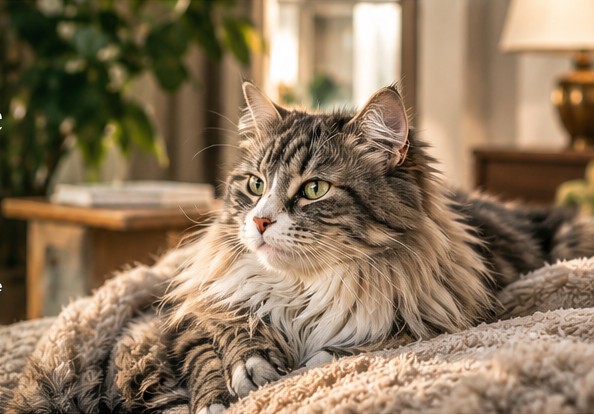
Does your cat only eat from the center of their dish, scoop food out with a paw, or dip their paw into water before licking it? Whisker fatigue is frequently cited to explain such habits. While the concept is widely discussed online, what does science really say about whisker fatigue in cats? Here is a clear overview with practical home advice.
The Biological Role of Cat Whiskers
Whiskers shed and regrow naturally through normal cycles, just like body fur. Finding an isolated whisker on the carpet is completely normal. However, sudden extensive loss or multiple broken, brittle whiskers warrants a prompt checkup with your veterinarian.
Scientifically called vibrissae, whiskers are thicker, stiffer hairs embedded deeply in tissue surrounded by specialized nerve endings. They transmit precise sensory information about your cat's immediate surroundings, including spatial distances, narrow clearances, and subtle air movements.
These sensory hairs help felines navigate dark corridors, judge whether their body fits into tight gaps, and perceive items right beneath their nose, an area where their forward vision is naturally blurred.
You should never cut, clip, or trim a cat's whiskers. Trimming them eliminates an essential sensory organ, leaving the cat disoriented, anxious, and less aware of their surroundings.
Beyond the obvious muzzle whiskers, cats also possess sensory vibrissae above their eyes, along their cheeks, and behind their front carpal joints to aid movement and spatial perception.
What Exactly Is Whisker Fatigue?
The phrase whisker fatigue describes the concept that repeated contact between sensitive whiskers and the steep walls of narrow or deep bowls causes sensory overstimulation, creating ongoing discomfort or dining stress.
For now, this concept remains primarily an observational hypothesis rather than an officially recognized clinical condition. A 2020 study found no clear difference in food consumption between bowl types, though several cats favored flatter dishes.
Therefore, veterinary experts consider it more accurate to describe these mealtime quirks as individual sensory preferences rather than a genuine medical disorder or physical fatigue of the nerves.
What is clear through daily observation is that many cats genuinely display a strong, visible preference for wide, shallow dishes that give their faces ample clearance.
Signs That May Suggest Discomfort
A cat might eat solely from the center of a bowl, leaving an untouched perimeter of food, or actively use a paw to scoop kibble onto the floor before eating it.
When drinking, some cats dip a paw into the bowl to lick moisture off their fur instead of lapping directly, or show an intense preference for running taps or large containers.
Other felines pace around the dish, vocalize as if begging despite food being present, or immediately eat with greater enthusiasm when the meal is moved to a flat saucer.
While these individual actions do not conclusively prove sensory fatigue, they provide a compelling, practical reason to test an alternative dish shape.
Medical Causes Not to Overlook
Changes in how a cat eats or drinks can easily stem from underlying dental problems, localized mouth pain, gingivitis, nausea, or failing vision rather than dish design.
Any sudden appetite drop, noticeable weight loss, excess drooling, foul breath, or abrupt changes in drinking volume require a thorough examination by your veterinarian.
Do not blame every feeding quirk on sensitive whiskers. A professional veterinary exam is essential to rule out painful underlying physical conditions before trying behavioral fixes.
Everyday stress, competition from another household pet near the bowls, or placing feeding stations in noisy, busy pathways can also alter eating patterns significantly.
Adapting Food Bowls and Water Stations
When introducing a new dish, leave the old bowl beside it for a few days. This transition lets your cat compare setups freely without abrupt disruptions to their routine.
For meals, a flat plate or a wide, shallow bowl suits the vast majority of cats, allowing their whiskers to remain free of edge friction.
For drinking water, choose a wide bowl filled to the top so your cat clearly sees the water level without bumping against the sides. Ceramic, glass, or stainless steel are easy to clean.
A pet water fountain with a generous drinking surface or a gently flowing stream also enables cats to drink comfortably without pressing their sensitive whiskers against high borders.
Try these small changes for a few consecutive days and watch whether your pet begins eating and drinking with greater calm and ease.
Key Takeaways for Cat Owners
Observe your cat during meals, as their posture and habits will reveal their ideal setup. Clear preferences for wide dishes or flat plates are simple to respect.
While whisker fatigue is not an official medical diagnosis, respecting vibrissae sensitivity by opting for spacious bowls offers clear practical benefits with zero downsides.
Switching feeding dishes is an easy, low-cost, and completely safe step. If it visibly improves your feline's daily mealtime comfort, the adjustment is well worth making.
If your cat's unusual eating behavior persists, or if you notice other concerning signs, seek professional guidance from your veterinarian.
Successful hydration and feeding depend on the complete environment: proper dish shape, peaceful location, regular hygiene, and fresh water provided daily.
If you wish to provide moving water, the Veyrulis fountain combines a 3.2-liter SUS 304 stainless steel reservoir, filtration that catches hair and debris, quiet operation, and an illuminated window to monitor the water level. It does not replace a suitable diet or the advice of your veterinarian.
Sources and further reading
This advice is for information only and does not replace your veterinarian's opinion.