
Ceramic vs Stainless Steel Cat Water Fountain: Which Should You Choose?
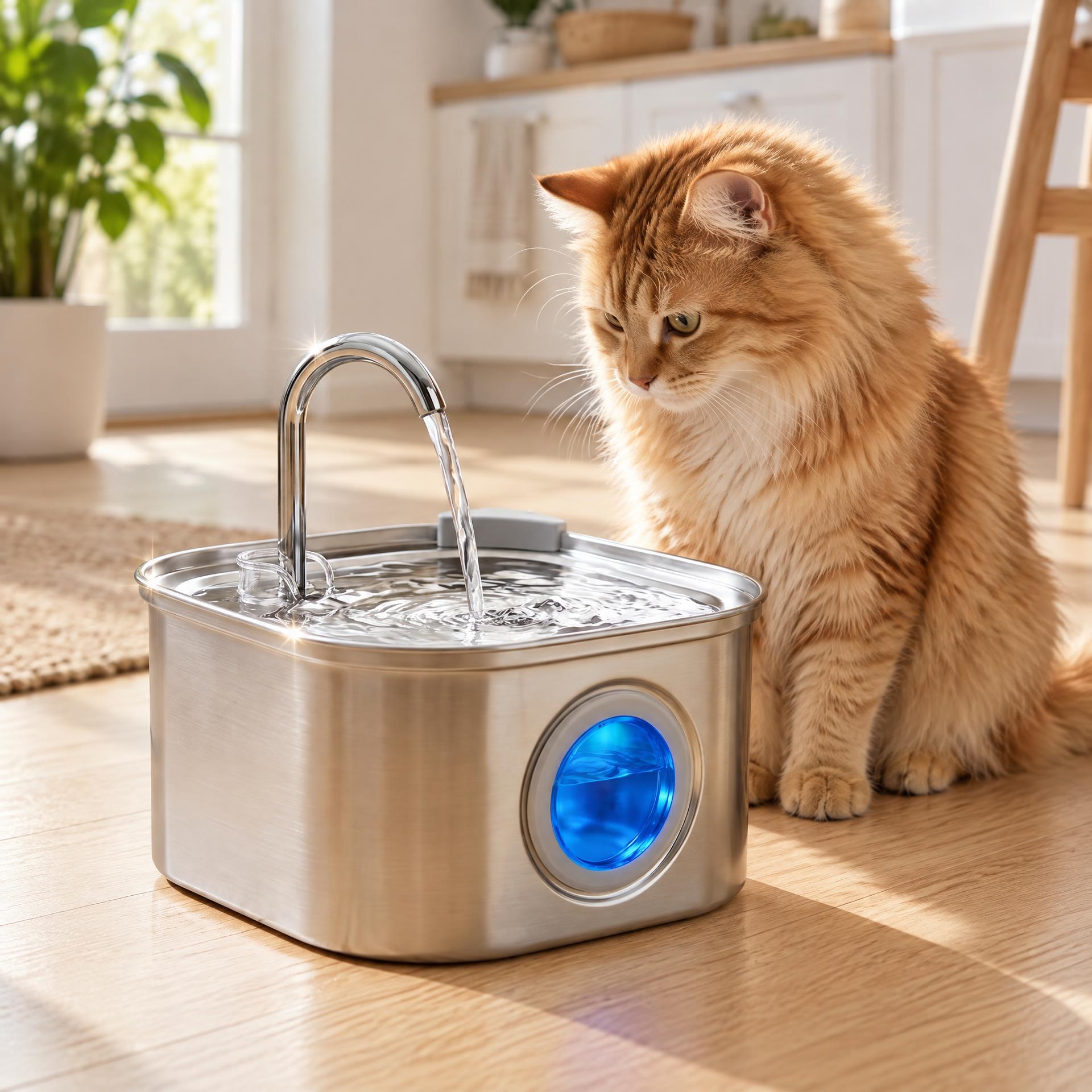
When shopping for a cat water fountain, the choice of material is one of the first decisions you face. Whilst plastic models are common, many owners now look towards ceramic or stainless steel, both regarded as far easier to keep clean. Between the two, which option is truly best? Neither is flawless; each brings distinct benefits and specific drawbacks. This comparison will help you decide based on your cat's temperament, your living space, and your cleaning habits.
Why the drinking fountain material matters
The material used for the bowl and reservoir directly affects fountain hygiene. Water circulates continuously at room temperature, while the surfaces come into regular contact with saliva, stray hairs, and bits of food. Over time, an invisible layer of bacteria known as biofilm can develop across these surfaces, particularly if the material is scratched, worn, or naturally porous.
A smooth, scratch-resistant surface minimises tiny crevices where bacteria and mineral scale can lodge, making thorough washing much simpler. This is the primary reason why glazed ceramic and stainless steel are widely preferred over plastic, which inevitably develops fine scratches through repeated scrubbing and everyday wear.
The material also influences practical daily factors: overall weight, stability, vulnerability to breakage, dishwasher suitability, and how the fountain blends into your home. There is no single best material for everyone, but rather an option that best fits your household routine and living environment.
Ceramic cat fountains: strengths and limitations
Glazed ceramic offers a smooth, non-porous finish provided the glaze remains intact. It is naturally heavy, which makes the fountain remarkably stable; an energetic cat will find it difficult to nudge, tip, or knock over. Its decorative appearance complements many interiors, and the material does not absorb lingering stale odours.
Its main drawback is fragility. Dropping a ceramic fountain onto a tiled kitchen floor can easily crack or chip it. A damaged glaze loses its hygienic benefit, as microscopic fissures quickly harbour bacteria and grime. Once cracked or chipped, a ceramic fountain should be replaced rather than kept in use.
The weight of ceramic also makes it somewhat awkward to handle during cleaning, especially for larger models full of water. Furthermore, glaze quality varies between manufacturers; look for products explicitly certified as food-safe and check the manufacturer's guidance regarding high-temperature dishwashers and gentle descaling.
Stainless steel fountains: strengths and limitations
Stainless steel—particularly 304 food-grade steel commonly found in cookware—is valued for its smooth surface, scratch resistance, and exceptional durability. It will not break if dropped, making it a reliable choice for lively households with busy families or cats that enjoy splashing and playing with water.
It cleans effortlessly with warm soapy water and withstands regular scrubbing with a soft brush in corners where biofilm tends to form. Lighter than ceramic, a stainless steel fountain is easy to dismantle and carry over to the kitchen sink for routine weekly washing without any strain.
There are still limitations to bear in mind. A lightweight reservoir may be slightly less stable than heavy ceramic if the base is narrow. In hard-water areas, limescale leaves visible white marks on the steel; whilst harmless, these need regular removal using diluted white vinegar. Be aware that some models feature a metal tray over a plastic body, so always check which parts are genuine stainless steel.
Choosing the best option for your cat and household
If your cat is placid, the fountain stays in a quiet spot, and you value an attractive design, ceramic is an excellent choice provided you handle it carefully. If you have a boisterous cat, young children, tiled floors, or simply want something lightweight to wash each week, stainless steel is often far more practical.
Consider other practical features alongside the material: a reservoir capacity matched to your number of cats, low pump noise, straightforward disassembly, readily available replacement filters, and a clear water-level gauge so you do not have to open the unit to check.
Whichever material you select, always keep an additional water station elsewhere in your home, such as a wide bowl placed away from litter trays and food. Many cats like having options, and a secondary bowl ensures fresh water remains accessible during cleaning or power cuts.
Why regular maintenance matters far more than material
A neglected ceramic or stainless steel fountain will never be more hygienic than a simple water bowl washed daily. The material makes cleaning easier, but it cannot replace routine care. Refresh the water every two to three days, wash the basin, pump, and spout weekly, and replace the filter cartridge according to instructions.
Inspect the surfaces regularly during cleaning. On ceramic fountains, look closely for tiny chips or hairline cracks in the protective glaze. On stainless steel, remove limescale build-up and check that no slimy residue has accumulated in tight corners, joins, or around the pump housing.
Finally, observe your cat's drinking habits. If they hesitate to use a new fountain, give them time to adjust while keeping their familiar bowl nearby. If you ever notice an unexplained change in your cat's daily water consumption, consult your vet promptly, as this can signal an underlying health issue.
If you wish to provide continuous running water, the Veyrulis fountain features a 3.2-litre SUS 304 stainless steel basin, multi-stage filtration to trap hair and debris, whisper-quiet operation, and an illuminated window to monitor the water level. It does not replace a balanced feline diet or professional advice from your veterinary surgeon.
Sources and further reading
This advice is for information only and does not replace your veterinarian's opinion.