
Automatic litter boxes and power cuts: preparing a clear solution
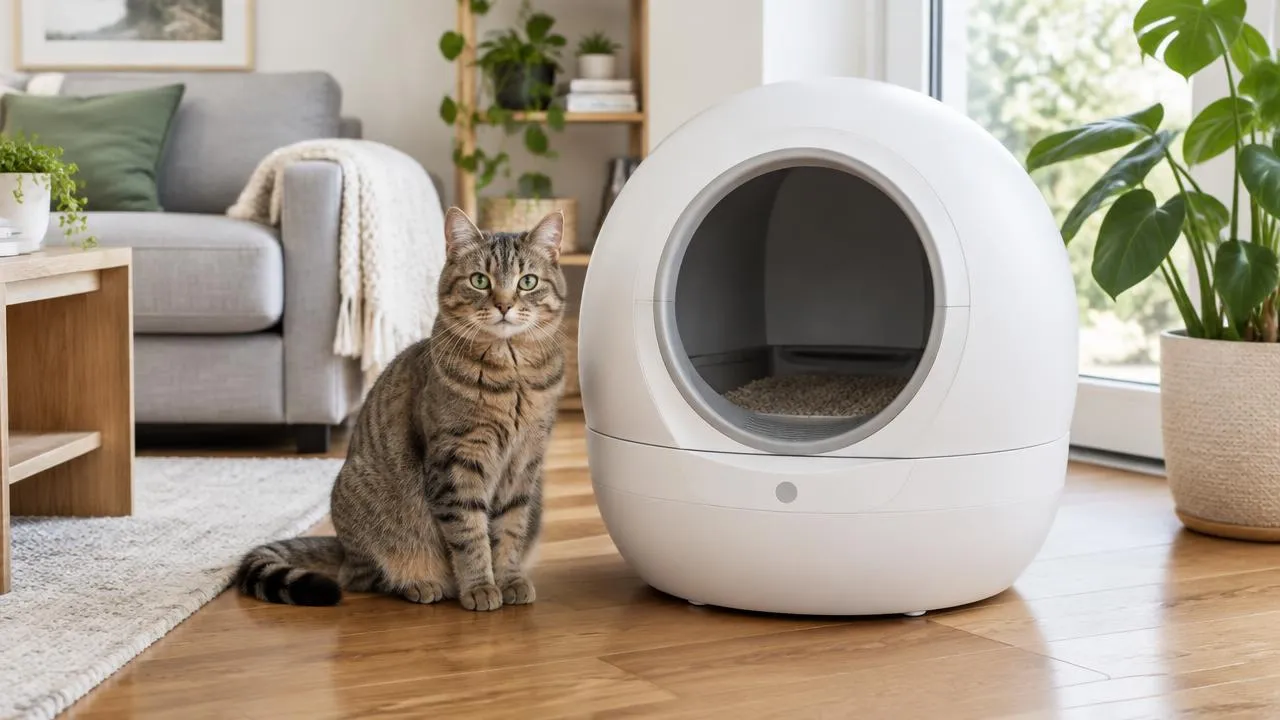
What should be done if power fails while a cat uses an automatic litter box? It would be misleading to announce one answer for all devices. Check the exact model manual for procedures during interruptions and when power returns. Simultaneously, organise toileting areas based on the cat's needs. Veterinary recommendations allow preparation without assuming autonomy, unlocking, or restarting that specific sources do not document.
Drafting questions before seeking answers
Distinguish between power loss, cat access to the tray, and restarting operations. For each topic, seek explicit manufacturer indications. Does the model remain usable, under what conditions, and what intervention is required? These queries must find answers within the manual; they do not prove a particular function exists on your specific device. Do not deduce behaviour from the word automatic or an illustration.
Check the procedure to follow if an interruption occurs during an operation. If the documentation does not clarify the situation, address the question to the manufacturer. Keeping this uncertainty visible in your preparation is better than writing household instructions based on an unconfirmed hypothesis. Never assume that a device will automatically reset to a safe or open position without verified technical confirmation from the brand.
Thinking of trays as distributed resources
The AAFP/ISFM guidelines recommend two trays in distinct locations for a single-cat household. This general organisation provides a starting point for considering toileting options when you do not yet know how a device behaves without power. It does not depend on a promise of autonomy and does not require operating the mechanism differently than intended. It ensures the cat always has a reliable alternative.
The document explains that trays placed side-by-side are perceived as a single large unit. To consider an alternative, map the locations rather than merely counting containers. Does another truly accessible place exist? The point of this approach is to consider the cat's journey and available choices, not just the presence of an extra object. Ensure the alternative site remains quiet and safe at all times.
When multiple felines coexist, authors qualify the historical rule of one tray per cat plus one. Social groups and non-affiliated individuals also matter. Do not assume a single replacement solution suits everyone. Observe who uses each zone and who seems to wait, bypass a housemate, or avoid approaching. This observation helps identify if the power-dependent device is a critical resource for specific cats.
Maintaining acceptable toileting conditions
The AAFP/ISFM guide highlights the importance of an easy-to-cross opening. It notes that elderly or physically impaired cats may face difficulties reaching a distant tray. In your plan, ask if the alternative toileting site is truly reachable by that specific animal. A solution available for an agile cat is not necessarily suitable for a less mobile companion. Physical accessibility remains a priority during outages.
Substrate preference must also be considered. Recommendations generally describe fine, unscented, clumping material, while noting individual differences. For the device, check permitted substrates in its exact manual. If manufacturer requirements and the cat’s habits do not coincide, do not force a compatibility that neither the veterinary text nor the documentation guarantees. Consistency in texture helps the cat transition between the automatic and manual trays.
Organising maintenance when routines change
According to AAFP/ISFM recommendations, waste must be removed at least daily. A power interruption does not change this general cleanliness goal. However, the way to intervene in a device depends on its design. Consult specific instructions before any manipulation; do not automatically transpose actions performed in an ordinary tray to parts where access is not explained. Safety mechanisms might require manual unlocking or specific handling.
Prepare a memo with the manual reference and planned tasks for different trays. It can simply distinguish between routine cleaning and issues requiring a technical response. The goal is for everyone in the household to know where to find information, without having to improvise a repair or interpret a warning light whose meaning has not been verified. Clear communication prevents accidental damage to the machine.
Observing the cat rather than just the power
Once power is restored, apply only the sequence described for the delivered model. The fact that a device seems to function does not alone indicate the cat’s urinary health. The MSD Veterinary Manual mentions bloody urine, frequent urination, and straining among clinical signs of lower urinary tract disease, alongside urination outside the tray. Monitoring the animal is as important as checking the electrical status.
If an accident occurs around the electrical episode, report the sequence of events without concluding the failure explains everything. The AAFP/ISFM guidelines distinguish medical, environmental, and social causes that may combine. A consultation allows these possibilities to be addressed. Your preparation must therefore include observations of the animal, and not solely a verification of the machine's operation. Clinical health takes precedence over technical convenience.
A connected automatic litter box, featuring a round design, is in preparation at Accessoires Chat. No sales are currently taking place and the price is not validated. The visual remains an illustrative image. For this project, all specifications must be confirmed from the delivered model manual; therefore, no specific behaviour during a power cut can be announced here at this stage.
Sources and further reading
- AAFP and ISFM Guidelines for diagnosing and solving house-soiling behavior in cats (Journal of Feline Medicine and Surgery, 2014)
- Manuel vétérinaire MSD — Lower Urinary Tract Disease in Cats
This advice is for information only and does not replace your veterinarian's opinion.