
Electric litter box: safety checks required before any installation
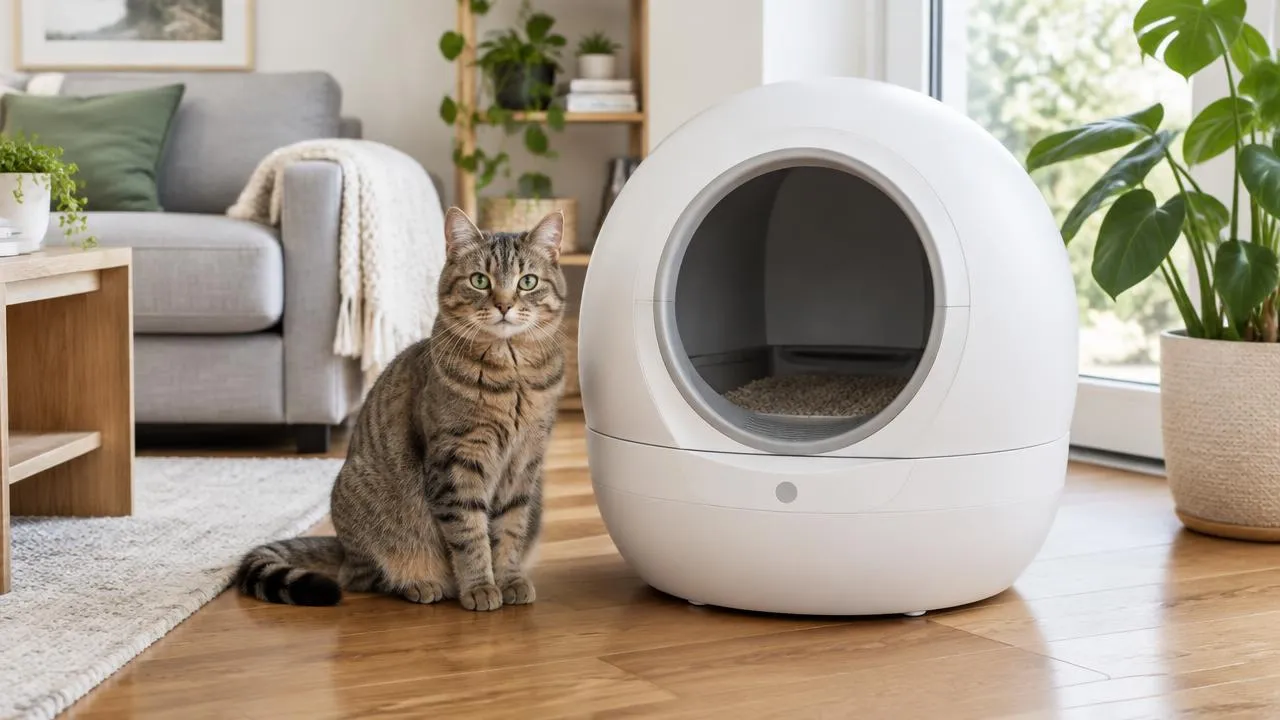
Choosing an electric litter box involves two distinct questions: what conditions does the manufacturer impose, and does this equipment truly suit the cat? The veterinary texts cited here primarily clarify the second point. They do not constitute a safety expertise of motorised devices. For technical parts, check every operating condition in the exact model's manual, without mistaking a promotional claim for a guarantee. Prepare your decision carefully.
Separating technical documentation and veterinary recommendations
Begin by requesting the document corresponding exactly to the proposed version. Which cats can use this device? What restrictions apply regarding their age, weight, or physical abilities? Where are the start and stop conditions described? Formulate these points as questions to be resolved within the manual, rather than as functions assumed to be present on all electric litter boxes. Technical specifications require precise confirmation before any purchase.
The 2014 AAFP/ISFM guidelines focus on elimination outside the box and its management. They do not certify any specific mechanism. Their value lies elsewhere: they encourage examining the animal's health, preferences, and environment together. A complete technical documentation never dispenses with the need to verify that the cat actually accepts its new toilet space. Veterinary observations must always complement the technical data provided by the manufacturer.
Examining the entrance and space provided for the cat
For AAFP/ISFM authors, an opening must make the tray easily accessible, regardless of its design. They also indicate that joint disorders may require a very low entrance. Before selecting a device, compare its documented dimensions with your animal's capabilities. A compact silhouette in a photograph does not allow one to judge the cat's ease in entering or positioning itself comfortably inside the unit during use.
The guide generally recommends a rectangular tray with a length one and a half times that of the cat, from nose to tail base. This benchmark concerns the usable tray, not an outer shell. Therefore, ask how to assess the internal space of the planned model. Do not present a global commercial dimension as proof that this recommendation is met. Actual internal volume determines feline comfort levels.
The exit deserves as much attention as the entrance. In shared households, recommendations note that one cat may prevent another from accessing or leaving the tray. Observe interactions around the chosen location. Technically suitable equipment does not solve this social difficulty alone, and a passage available on the house plan may remain intimidating for an individual. Environmental layout must always support safe and stress-free movement.
Planning mechanism checks without improvisation
For electrical and moving parts, remain strictly within the manufacturer's framework. Check the exact model's manual for installation instructions, maintenance procedures, described devices, and the planned conduct for any anomaly. If these explanations are missing, request written clarification before use. Do not invent tests with the cat to demonstrate that a device would function correctly. Safety protocols must be verified through official documentation rather than experimentation.
Prepare a sheet referring to useful pages rather than a list of general guarantees: authorised power supply, operating conditions, user-requested shutdown, and restarting procedures. The correct answer may differ depending on the version. This organisation is not a technical validation; it only serves to avoid decisions based on assumptions when a point remains uncertain. Consistent record-keeping ensures that safety warnings are always accessible to all household members.
Do not confuse assisted maintenance with a forgotten tray
AAFP/ISFM recommendations specify that no product removes the need to clean and maintain trays regularly. They advocate removing waste at least daily and topping up the substrate as needed. For an electric device, check how these general requirements align with the authorised operations and frequencies indicated in its specific documentation. Automated systems assist the owner but do not replace the fundamental necessity of maintaining daily hygiene.
The same text advises using soap and hot water for trays rather than powerful chemicals or those containing ammonia. This does not mean the entire device should be wetted. Before any intervention, look for the relevant parts and permitted methods in the manual. Veterinary cleanliness recommendations do not replace the specific instructions for electrical components. Always disconnect the power before attempting any cleaning process described by the manufacturer.
Recognising what requires a veterinarian
The MSD Veterinary Manual lists urinary straining, frequent urination, blood in the urine, and urination outside the tray as signs of lower urinary tract disease. Faced with these manifestations, do not reduce the situation to a mere setting problem. Describe to the veterinarian what you see in the cat, even if the device signals nothing. Clinical symptoms take precedence over any digital notification provided by the machine.
The AAFP/ISFM approach requires a medical evaluation when inappropriate eliminations appear. Several causes can coexist; the context of changing equipment is not enough to explain an accident. Note the observed behaviour, the areas concerned, and the chronology. This concrete description is more useful than a hasty conclusion about the cat's character or the alleged sanitary safety of the machine. Professional diagnosis remains essential for health.
At Accessoires Chat, a connected automatic litter box in a round format is currently in preparation. It is not yet for sale; its price remains unconfirmed. The image shown is for illustrative purposes only, without technical confirmation value. Characteristics and conditions of use must be confirmed in the manual of the delivered model before precisely describing this specific product and its various integrated possibilities for the user.
Sources and further reading
- AAFP and ISFM Guidelines for diagnosing and solving house-soiling behavior in cats (Journal of Feline Medicine and Surgery, 2014)
- Manuel vétérinaire MSD — Lower Urinary Tract Disease in Cats
This advice is for information only and does not replace your veterinarian's opinion.