
Cat Tree with Litter Box Enclosure: Practical Setup and Assembly Guide
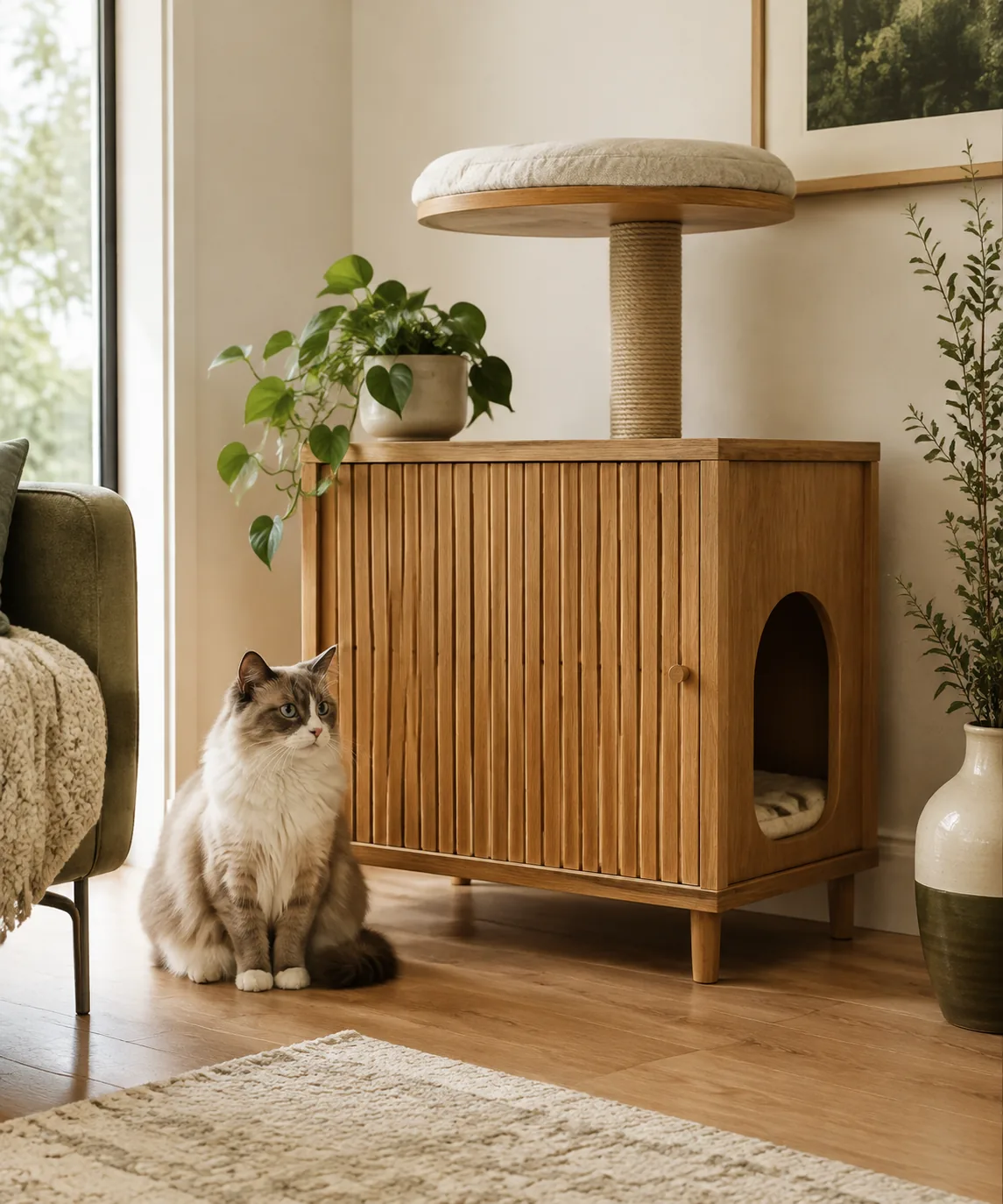
Creating a stimulating and well-balanced environment for your feline companion often requires balancing comfort, verticality, and cleanliness. A cat tree with a litter box enclosure offers a modern solution to optimize indoor living space by combining a discreet elimination area with elevated resting perches. However, grouping these distinct territorial functions requires strict adherence to behavioral guidelines recommended by the ISFM and AAFP. From vital mechanical stability to continuous airflow in the lower cabinet, discover how to successfully integrate this hybrid furniture piece exclusively for the well-being of your companion.
Why choose a cat tree with a litter box enclosure for your home
Hybrid furniture provides a relevant answer to the challenge of concealing the litter tray while satisfying your cat's climbing instincts. According to ISFM guidelines, climbing and observing surroundings from a secure vantage point significantly reduces anxiety levels in indoor cats. Combining a protective lower cabinet with elevated sleeping levels optimizes available floor space without compromising the spatial enrichment necessary for feline well-being.
On a domestic level, the enclosed cabinet limits litter scatter across your floors and conceals the toilet area with discretion. This visual privacy reassures fearful cats seeking tranquility, provided the opening remains easily accessible and the unit does not trap unpleasant odors that could cause sudden house-soiling issues.
It remains essential, however, to maintain a clear separation between daily activities. Cats instinctively avoid combining rest and elimination in the wild. A well-designed vertical structure creates an unmistakable division between the lower hygiene base and the higher relaxation platforms, ensuring functional and harmonious coexistence of both critical functions within a single piece of furniture.
How to install your cat tree with a litter box enclosure properly
Overall placement dictates the success of installing this type of equipment. Veterinary behaviorists recommend placing the furniture in a quiet location, far away from high-traffic zones, loud household appliances, and food bowls. Choose a peaceful corner of the room that provides a clear vantage point so your pet feels entirely secure when using the tray.
Assembly demands absolute rigor to prevent any mechanical instability. A wobbling or unbalanced structure under repeated jumps frightens the animal and risks causing permanent rejection of both the litter box and resting perches. Firmly secure all fastenings, verify that the base sits perfectly level on the floor, and check the overall load capacity before letting your cat explore.
Make sure to leave the side entrance completely unobstructed for seamless feline transit. The usable interior volume of the cabinet must allow your cat to step inside, execute a full turn, and dig through the substrate without bumping against internal walls. Precisely measure interior dimensions before purchasing a tray to prevent door blockage or uncomfortable postural restrictions.
Using a cat tree with a litter box enclosure every day
Meticulous upkeep of the bottom compartment represents the cornerstone of peaceful daily use. Because the feline olfactory system is extraordinarily sensitive, inadequate airflow quickly turns the interior into an unbearable trap for ammonia fumes. Scoop clumps daily and ventilate the unit thoroughly during routine cleanings to maintain pristine freshness and preserve your pet's regular attendance.
At the same time, actively promote the upper tiers to turn them into appealing and stimulating havens. Use dangling toys and healthy treats to encourage your cat to climb, observe its territory, and sharpen its claws on the designated scratching posts. This positive utilization of height helps the pet clearly differentiate the lower sanitary floor from its favored relaxation area.
Get into the habit of closely monitoring your cat's behavior during the first few weeks. If it hesitates before entering the side opening or avoids certain jumping platforms, readjust the orientation of the unit to ensure a more direct path of access. Subtly adapting the environment builds lasting confidence and secures your pet's vertical movements.
Common mistakes to avoid with a cat tree litter box enclosure
The primary mistake involves forcing a wary cat inside the enclosed compartment. Acclimation must remain gradual: keep the doors open for the first few days and strictly ban scented chemical deodorizers that disrupt feline scent markers. Relying on the reassuring smell of an unscented litter remains the best method to foster natural adoption without triggering aversion.
Another frequent misstep relates to choosing an inappropriate litter tray or disregarding load limits. Installing a tray with walls that are too high prevents the animal from squatting comfortably, while an oversized model obstructs smooth door closure. Always verify the precise compatibility of your accessories with the available interior volume to avoid impairing overall furniture functionality.
Finally, never turn this combined unit into a place for discipline, restraint, or administering medication. For the cat, this entire piece must represent a haven of absolute calm where it can meet natural needs and retreat without stress. Regularly inspect the tightness of all assembly hardware and monitor the wear of scratching surfaces to ensure optimum safety over time.
For your home, Veyrulis presents the cat tree with litter box enclosure – grey model 8101. This structure combines a wood-look grey finish, a bottom cabinet featuring double doors and a side entry, alongside platforms enhanced with a plush basket and dangling toys. Please note that the supplier image is non-contractual: usable dimensions, weight capacities, and stability must be verified prior to ordering.
Sources and further reading
This advice is for information only and does not replace your veterinarian's opinion.