
Why My Cat Will Only Drink Fresh Water: Causes, Temperature, and Solutions
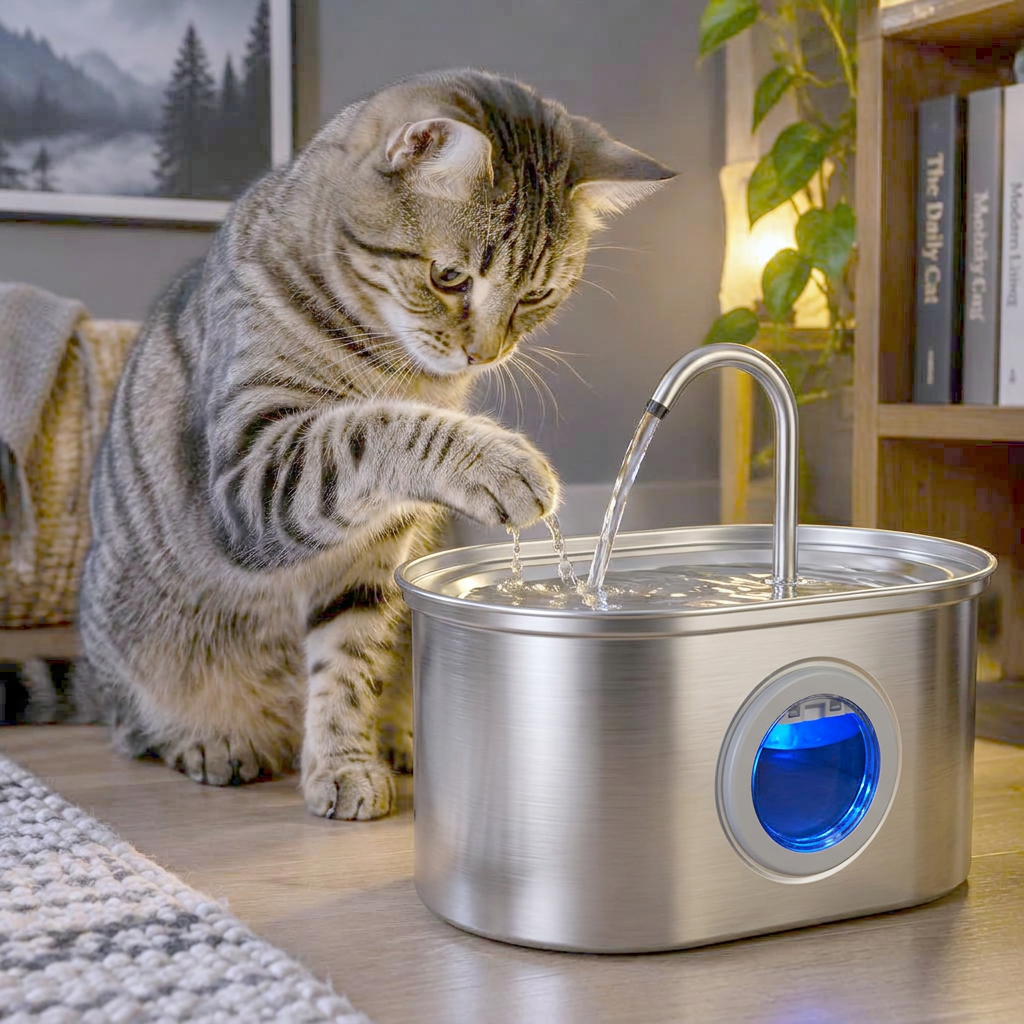
You fill your cat's bowl in the morning, watch them ignore it all day, and then see them rush over the second you pour fresh water. If you wonder why your cat will only drink fresh water, you are certainly not alone. This behavior is widespread and rooted in natural instincts. Understanding it helps you adapt your habits so your companion stays well hydrated.
A Highly Sensitive Sense of Smell and Taste
Cats possess a far keener sense of smell than humans do. When water stands in an open bowl for hours, it collects dust, shedding hair, and stray food crumbs, all while absorbing background room odors. What still looks clean to human eyes can easily smell stale, stagnant, and unappealing to your pet's delicate nose.
The bowl itself also makes a difference. A scratched plastic dish can trap lingering bacteria and odors, while poorly rinsed dish soap easily deters a cautious cat. In addition, heavily chlorinated tap water may smell unpleasant to some cats right after it is drawn, whereas others prefer it strictly straight from the faucet.
Natural Instincts Inherited from the Wild
In nature, standing water poses a much greater contamination risk than moving streams. Feline behaviorists frequently point to this wild heritage to explain why so many domestic cats show a strong preference for fresh, replenished, or flowing water. Your cat is simply following an ancient survival instinct that equates fresh water with safety.
Cats also descend from ancestors that obtained most of their hydration from prey. Consequently, their internal thirst drive is naturally weak. If the available water seems unappealing, a cat may simply drink less without showing obvious outward signs. That is why what looks like a finicky whim deserves genuine attention from pet owners.
Temperature, Bowl Placement, and Whisker Comfort
Many cats prefer slightly cool water, especially during hot summer days. A dish set near a radiator, in direct sunlight, or beside a large glass window warms up rapidly, making it lose its appeal. Simply moving the bowl to a cooler, shaded corner can make a noticeable difference in their willingness to drink.
Location also influences confidence. Cats drink more comfortably in quiet zones, away from heavy foot traffic, litter boxes, and often their food dishes. In homes with multiple pets, an overly exposed water station might be avoided by a shyer cat who fears being cornered while lowering their head to drink.
Finally, a narrow, deep container forces whiskers to rub against the sides, causing uncomfortable sensory stress. A wide, shallow dish filled near the brim avoids this contact and lets your cat view the water surface and room easily, making drinking a much more relaxing experience.
Daily Habits to Keep Water Truly Fresh
Change your cat's water at least once every day, and twice daily during warm spells. Be sure to empty the container entirely instead of merely topping it off. Adding new water to an old supply does not make it genuinely fresh to your cat, since settled debris and odors remain.
Wash the bowl daily with hot water and rinse it thoroughly to remove every trace of soap. Choose materials that are easy to clean and do not absorb lingering odors, such as ceramic, glass, or stainless steel, which stay far fresher and cleaner than conventional plastic bowls.
Place multiple water bowls throughout the house so your pet encounters fresh hydration everywhere they wander. In the summer heat, you can also drop an ice cube into the bowl. Some cats love batting at the ice, which cools the water and playfully encourages them to drink more.
When Should You Consult a Veterinarian?
Being particular about water quality does not mean your pet is unwell. However, sudden behavioral changes warrant prompt attention. A cat that abruptly drinks far more than usual or stops drinking almost entirely, urinates abnormally, loses interest in meals, or seems lethargic must be evaluated by a veterinarian without delay.
Cats fed solely dry kibble require close observation because dry food supplies minimal moisture. If you have any doubts about your cat's hydration, your veterinarian can provide helpful advice tailored to their specific needs, including whether introducing wet food into their daily diet could provide meaningful hydration support.
Setting Up a Simple Daily Routine
The most practical approach is linking water bowl maintenance to an established daily habit, such as morning coffee, dinner preparations, or returning home from work. Within days, this step becomes second nature, and your cat learns that fresh water reliably awaits. In extreme heat, some owners keep a pitcher in the refrigerator to offer slightly chilled, though never icy, water.
Pay close attention to your pet's reactions. If they drink eagerly after each refill, freshness is clearly a major priority for them. Tracking where and when they drink most often provides useful clues, allowing you to position stations properly and adjust your daily care routine to suit their exact preferences.
For a cat that will only drink fresh water, a fountain can be a practical ally: water circulates and passes through a filter instead of sitting stagnant. The Veyrulis fountain, made of SUS 304 stainless steel, provides a 3.2-liter capacity, disassembles easily for cleaning, and operates quietly. It does not replace regular water and filter changes, but it helps keep a drinking station appealing between cleanings.
Sources and further reading
- International Cat Care — Encouraging your cat to drink: a guide for caregivers (PDF)
- Cornell Feline Health Center — Hydration (besoins en eau, signes et causes de déshydratation)
This advice is for information only and does not replace your veterinarian's opinion.