
How to clean a cat tree without damaging it
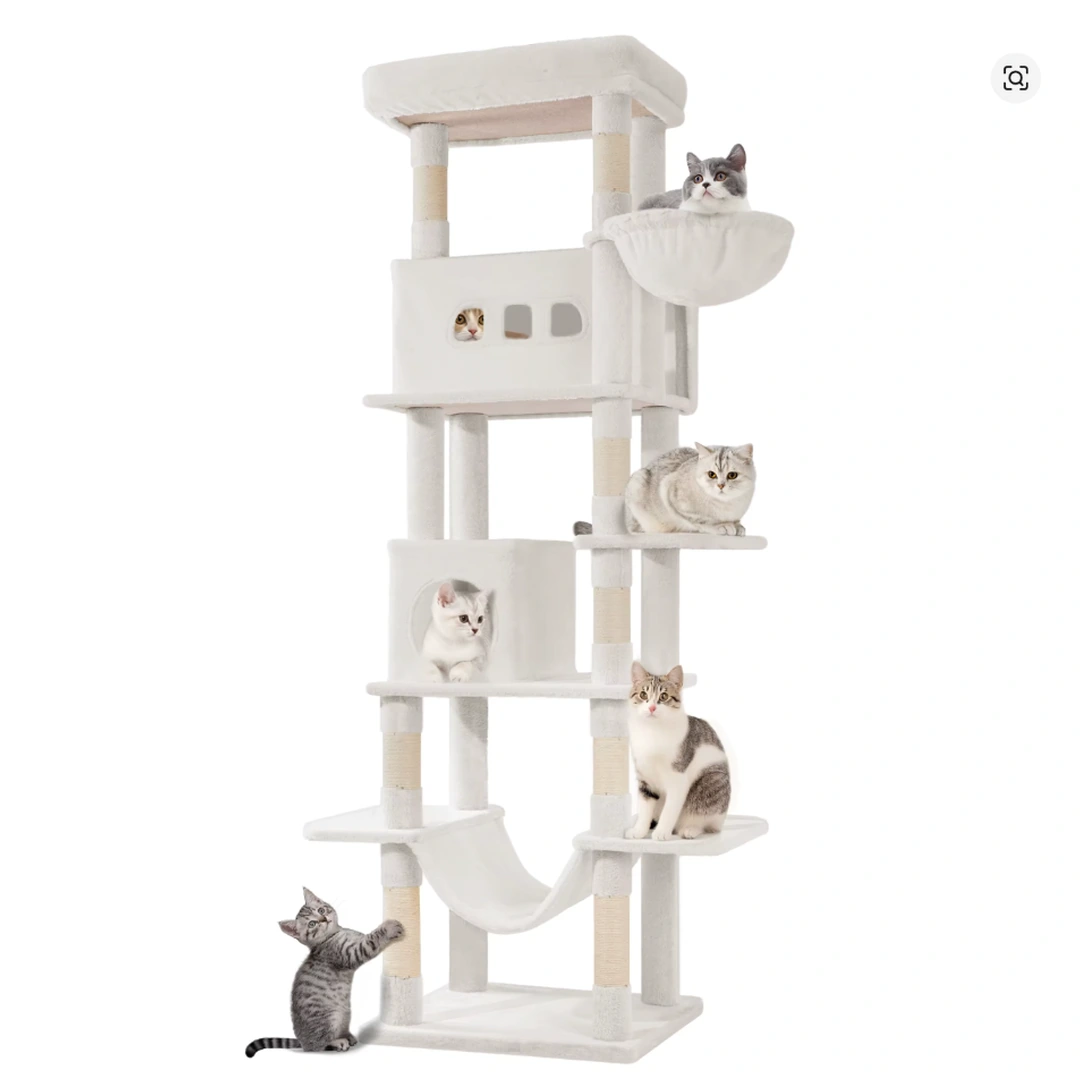
Between little marks on the platforms and sleeping areas that become dirty, a cat tree needs regular care, but not a thorough soaking. To understand how to clean a cat tree without damaging it, start by identifying its materials: fabric, sisal, wood, boards and cardboard cannot all be treated in the same way. The basic principle is simple: clean only what needs attention, introduce as little moisture as possible and wait until everything is completely dry before giving your companion access again.
How to clean a cat tree: preparing for maintenance
First, consult the manufacturer's instructions: these should guide your choice of products, permitted methods and whether removable parts can be taken off. A covering that looks like wood may conceal a water-sensitive board; a zipped cover is not necessarily machine washable. If information is missing, ask the seller for confirmation rather than improvising a wash. During cleaning, keep your cat away from damp areas and provide another familiar place to rest.
Remove accessible dry dirt before doing any damp cleaning, without pulling at seams or fibres. Prepare clean cloths and set one aside for absorbing moisture. If a product is permitted, follow its dilution instructions, precautions and rinsing requirements. Test the method on a small hidden area, then let it dry before assessing the result. Do not add fragrance to create an impression of cleanliness: the aim is to remove dirt, not disguise smells.
Fabric and plush: clean the surface without soaking it
For removable fabric, follow the washing and drying instructions exactly. Do not automatically choose a hot programme or tumble drying: the fabric, its backing and the padding may have different requirements. If washing is permitted, remove only the components designed to be taken off for this purpose. When putting everything back together, also check inside accessible layers: an outer surface that feels dry does not guarantee that the filling is dry too.
For fixed plush coverings, favour spot cleaning if the manufacturer allows it. Dab the mark with a barely damp cloth, without pouring liquid directly onto the platform. Work on small areas without repeated vigorous rubbing, then absorb moisture with a dry cloth. If the product requires rinsing, follow the specified method without saturating the base; if this seems impossible, ask the manufacturer for advice. Avoid steam or spray-extraction cleaning unless explicitly approved for that particular model.
Sisal and cardboard: keep cleaning mainly dry
Scratching surfaces need particular attention because their fibres and construction are not always designed to get wet. On sisal, gently remove dry debris without catching or lifting the strands. Do not immerse a post or pour water over it: beneath the rope there may be a core or fixings that are sensitive to moisture. For a stubborn mark, check whether very limited dabbing is permitted, then allow the area to dry completely before restoring access.
For cardboard, stick to dry cleaning unless the manufacturer explicitly instructs otherwise. Embedded dirt is no reason to make repeated attempts with water: you could distort the layers without reaching the dirty area. If the part can no longer be maintained according to the instructions, ask the manufacturer what solution is available. Do not try to whiten the fibres or erase every sign of use: looking new is not the measure of cleanliness.
Wood and boards: protect edges and joints
Distinguish between a surface protected by a finish, untreated wood and a covered board. Their care depends on the material and the treatment applied, so the instructions remain your reference. If damp wiping is allowed, use a thoroughly wrung-out cloth, then dry immediately with another cloth. Do not spray a product onto the tree: apply it to the cloth when the instructions permit. This helps limit drips reaching areas that are difficult to dry.
Focus on precise movements rather than the amount of water. Edges, fixing holes and joins between coverings are places where liquid can seep in unnoticed. Do not leave a wet cloth resting there while cleaning another area. If you notice swelling, lifting or a change in texture after testing, stop using that method and contact the manufacturer. Do not simply carry on with a smaller amount of product.
Complete drying and a routine that respects familiar cues
Leave everything to dry in a ventilated room, keeping damp surfaces inaccessible. Do not speed up the process with intense heat or a heating appliance without the manufacturer's approval. Check underneath, around connections and within accessible layers, not just the exposed surface. There is no universal drying time: the material, ambient humidity and amount of water used all affect it. If in doubt, allow longer rather than putting a cushion back too soon.
Then adjust cleaning frequency to the dirt you observe rather than systematically washing the entire structure. The AAFP and ISFM feline environmental needs guidelines (2013) highlight the importance of familiar smells and respectful interactions. Targeted cleaning avoids unnecessarily changing all your cat's familiar cues; let them return at their own pace. For any signs of pain, limping, a fall, parasites or a change in behaviour, consult a vet: cleaning is no substitute for that step.
VEYRULIS is preparing a 210 cm tall, multi-level tower cat tree, which is not yet for sale on accessoireschat.com. Its price has not been approved, and its colour variant remains to be confirmed. When planning its care, the specifications and permitted cleaning methods will need to be checked in the instructions supplied with the delivered model.
Sources and further reading
This advice is for information only and does not replace your veterinarian's opinion.