
Feeding an older cat: meals, weight tracking, and helpful guidance
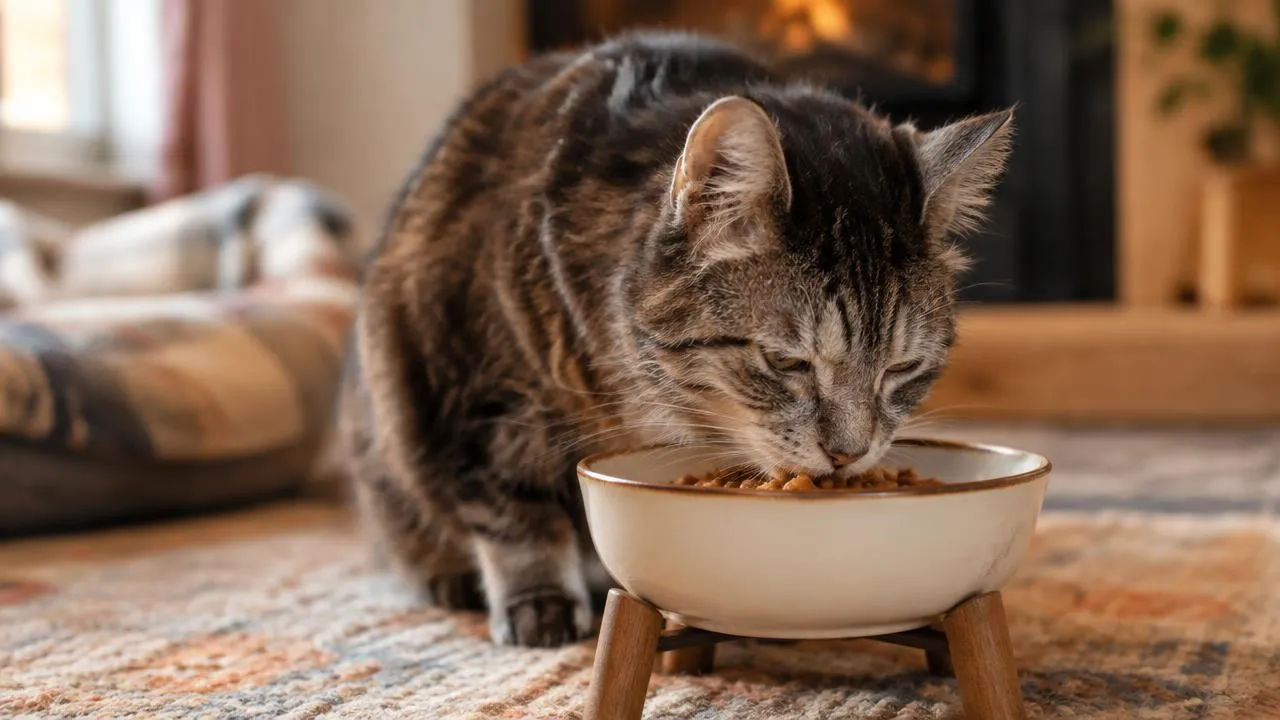
As cats grow older, their feeding routines warrant careful observation, yet age alone never dictates a single specific ration or diet. The AAFP feline feeding programmes consensus statement recommends regularly monitoring weight and body condition, paying special attention to senior or frail cats. It also highlights that cats generally prefer to eat frequently, in small amounts, and alone. These reference points help in structuring daily life at home; specific feeding decisions tailored to an individual pet should always be made alongside the veterinary team who knows their medical history.
Avoiding standardised rations based purely on age
An ageing cat may retain long-standing preferences, while their appetite, weight, or overall health profile may gradually shift over time. It is therefore inadvisable to alter food portions automatically merely on the basis of a pet's birthday or packaging guidelines on a commercial pet food bag. The AAFP consensus statement recommends consulting your veterinary surgeon to establish an appropriate daily calorie intake and determine the best way to measure food accurately. Present the specific diets offered, typical portion sizes, and any behavioural changes you have noticed. This discussion helps distinguish established household routines from genuine physiological requirements, avoiding turning generic feeding guidance into an improvised prescription.
It is equally valuable to note how meals unfold throughout the day. Does the cat finish everything at once, return multiple times to graze, or leave a portion behind? In multi-cat households, can you clearly identify which pet consumes which dish? A shared bowl does not reveal individual intakes accurately. Sharing clear, objective observations is far more helpful to your veterinary clinic than a vague impression such as 'eating less'. Keep packaging or diet names handy whenever seeking advice, and avoid altering several dietary factors simultaneously without first consulting the veterinary professional who looks after your companion.
Monitoring daily food intake and weight
Maintaining a consistent written record makes subtle physical shifts much easier to discuss during check-ups. Note the date, weight whenever measured, the portion served, and any leftover food observed. The AAFP consensus statement underlines the critical value of tracking weight and body condition, particularly in senior cats, frail individuals, or those managing chronic health conditions. A single isolated measurement rarely tells the whole story: share broader trends and relevant domestic context, such as recent household routine changes or another pet's presence at feeding times. A clinical examination remains indispensable for interpreting these observations accurately.
When tracking daily portions, a digital kitchen scale proves significantly more reliable than a standard measuring cup; the AAFP consensus highlights that cup measurements can be notably inaccurate. Weighing food before offering it and weighing remaining amounts after a designated period provides objective data without jumping to unsubstantiated conclusions. When multiple family members feed the cat, accurate tracking becomes challenging: a visible wall chart or shared digital log helps prevent missed or duplicated meals. Ask your veterinary practice which weighing frequency and method suit your cat best, rather than setting arbitrary targets.
Arranging accessible and peaceful feeding stations
Cats naturally prefer solitary dining, and within multi-cat environments, pets do not necessarily distribute themselves evenly across available living areas. Certain confident individuals roam freely, whereas others remain within specific zones where they feel secure. The AAFP consensus points out that competition over essential resources can generate subtle friction that is easy to miss. A senior cat may require direct, unimpeded access to their bowl without encountering another pet blocking the corridor or doorway. Watching feline interactions before, during, and after meals helps you assess how your home layout functions in practice.
Consider establishing distinct feeding stations if this encourages individual intake and prevents unwanted encounters. Ensure the designated area is readily accessible to an older cat and allows them to eat without disturbance, keeping in mind that location choices should suit both your home layout and observed behaviours. The AAFP recommends multiple separate food and water stations as part of an appropriate feline environmental plan. This does not mean one single arrangement fits every home. Introduce modest changes, note their influence on intake, and consult your vet if appetite or access issues persist.
Offering frequent small meals without losing oversight
Dividing daily food allowance into multiple smaller meals throughout the day aligns much more closely with natural feline feeding patterns than offering large, infrequent distributions. The AAFP consensus encourages frequent, small-portion feeding, and highlights food puzzles or foraging activities to enrich a cat's daily routine. For an ageing pet, select an arrangement they can navigate comfortably and safely, avoiding complicated mechanisms that might hinder access to nutrition. If introducing a new feeding approach, verify that your cat understands how to reach their food and reliably consumes their full intended ration.
An automated pet feeder can assist in scheduling timed portions, though it never replaces visual monitoring or clinical advice from your vet. Functionalities differ between models: verify precise features directly in the product manual supplied and check the actual amounts dispensed. Record programmed portions, uneaten food, and any variations from normal habits. Bringing these records along to veterinary appointments helps structure discussions regarding your cat's health. Weight, body condition, and day-to-day feeding behaviours together form a comprehensive picture that is best interpreted collaboratively with your veterinary team rather than through solitary guesswork.
At Accessoires Chat, a black automatic kibble feeder with Wi-Fi is currently in preparation and is not yet available for purchase. Its price has not been finalised, and any image shown is purely illustrative. Functions and specifications remain subject to confirmation in the user manual supplied with the delivered unit. For an older cat, an automated device can help organise feeding routines, but it can never replace attentive monitoring of daily food intake or professional advice from your veterinary team.
Sources and further reading
This advice is for information only and does not replace your veterinarian's opinion.