
Where to put a cat tree: finding the right spot
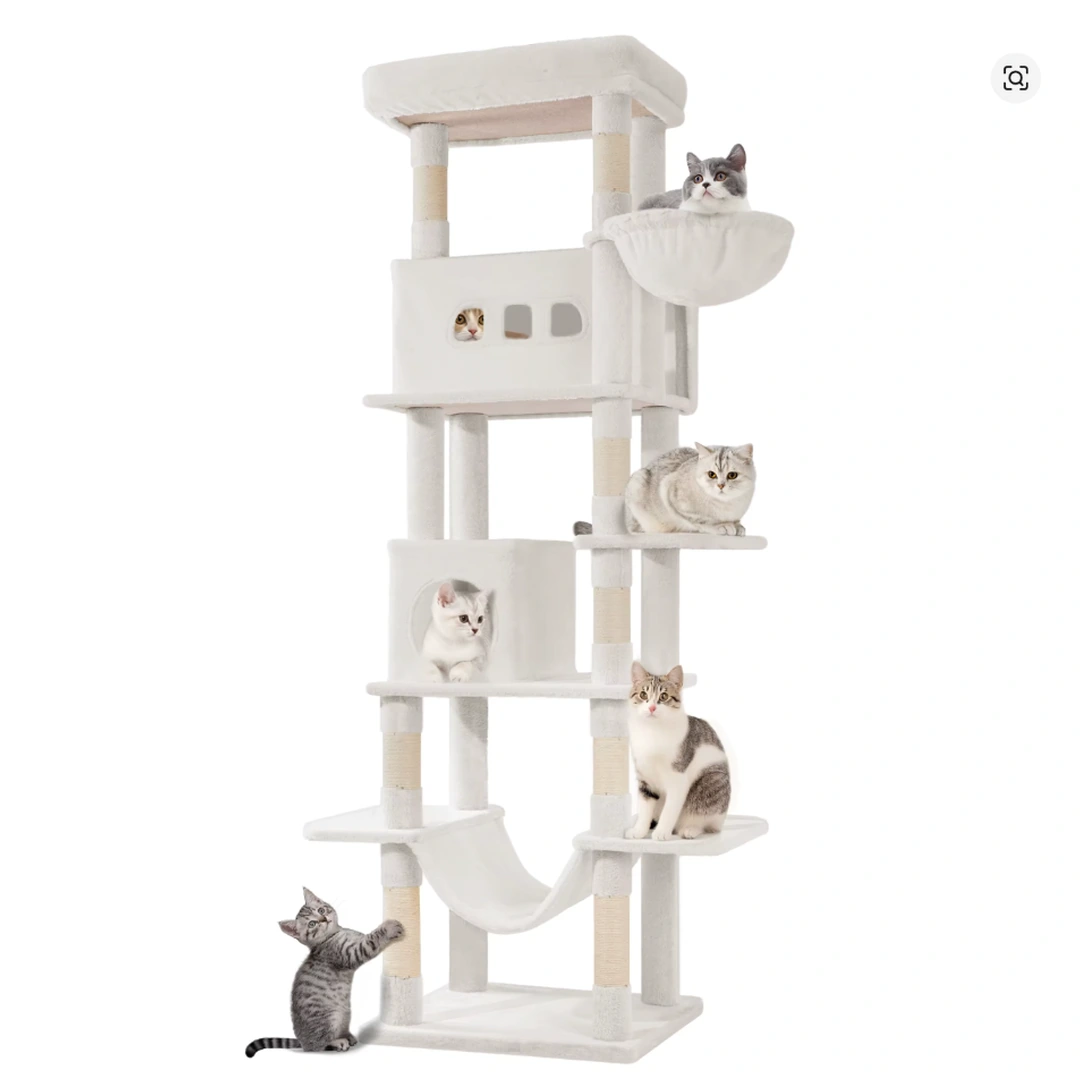
A cat tree may look perfectly placed in an empty corner yet still be far from the places your companion prefers. To decide where to put a cat tree, start with your cat’s habits rather than the available floor space alone. The aim is to offer a lookout connected to everyday life, with enough peace for resting. The right spot should also let everyone move around naturally. Here is how to find that balance in your home, without reorganising everything or imposing a place your cat has not chosen.
Where to put a cat tree: observe before deciding
Before moving your furniture, watch where your cat settles of their own accord. Do they follow your activities from the back of the sofa? Do they sit near your desk while you work? These habits reveal the areas that matter to them. A favourite spot often combines human presence, visibility and room to keep some distance.
Also notice when the atmosphere in these places changes. A pleasant corner in the morning may become busy when everyone returns home. Identify frequently opened doors, repeated movements and noisy appliances. The aim is not to find absolute silence, but predictable activity from which your cat can withdraw whenever they wish.
Then shortlist a few possible positions and compare them from your cat’s perspective. Can they see what is approaching? Is there a clear route for entering or leaving the room? This practical assessment is more useful than a universal rule: the centre of your home is not necessarily the centre of their everyday territory.
Stay close to household life without the bustle
The living room is often worth considering, provided you choose a spot along the side rather than in the main thoroughfare. Near a regularly occupied armchair, your cat can enjoy your company without constant attention. Conversely, a rarely used room may separate them from the activities they like to watch.
The AAFP and ISFM guidelines on feline environmental needs (2013) highlight the importance of hiding places, elevated perches, separate resources, scratching, familiar smells and respectful interaction. When choosing a position, this means making your company available to your cat while ensuring that contact with people is never something imposed on them.
So avoid treating the cat tree as somewhere everyone can approach and stroke your cat at any time. Its position should let them stay near you while retaining some distance. A quietly occupied study may therefore suit them better than a living room with a constant succession of people passing and seeking interaction.
Provide an interesting view and pleasant surroundings
An interesting view does not have to mean looking outdoors. Watching the living room entrance, your movements between rooms or a quiet activity may be enough to make a spot appealing. Look for an open outlook onto household life, rather than a tucked-away corner where your cat would mainly face a wall.
If the view looks outside, also watch how your cat responds to what they see. Animals frequently passing by may attract their attention, but may also appear to worry them. In that case, choose a different viewing angle. Secure openings are essential: the position must not provide access to an unprotected opening.
Finally, check the surroundings at different times: prolonged direct sunshine, heat from an appliance, a draught or sudden noise can make the corner less welcoming. Do not place the tree against a heat source. For clearances, installation constraints and any technical questions, consult the manufacturer’s instructions rather than making assumptions.
Keep routes clear and separate different uses
Imagine the proposed position during an ordinary day. Can you walk past carrying a laundry basket, open a door fully and pull back a chair without manoeuvring around the tree? Remember the space your cat uses when coming down, too. Empty floor space is not necessarily compatible with the household’s movements.
Rule out areas where you would regularly need to step over, brush past or move the structure. A busy hallway or the space behind a door creates abrupt encounters and makes circulation awkward. In a living space, favour a clear position along the edge, with an obvious approach for your cat outside the usual route.
Do not try to gather all your cat’s belongings around the tree either. Keep feeding, drinking and litter areas separate, taking your home and your cat’s habits into account. The tree fits into this arrangement as a place for watching, resting and scratching, not as a single centre they are obliged to use.
Check that the choice works in everyday life
Once you have chosen the position, give your cat time to discover this new feature without forcibly placing them on it. Keep the routines around them as consistent as possible. Familiar objects nearby can provide continuity, without automatically adding smells or accessories in an attempt to attract their attention to the tree.
Then observe the whole scene: can your cat watch peacefully, come down freely and stay apart when they want to? Can household members pass without detouring? If the balance is not working, try another carefully considered position rather than moving the tree every day in response to your latest impressions.
However, a behavioural change should not automatically be blamed on the wrong position. Consult a vet for any sign of pain, limping, a fall, parasites or a change in behaviour. Choosing a pleasant corner is part of arranging everyday surroundings; it does not replace an assessment of your animal’s situation.
VEYRULIS is preparing a 210 cm tall, multi-level cat tree tower, not yet on sale at accessoireschat.com. Its price has not been approved, and its colour variant remains to be confirmed. Before planning a position in a regularly used room, its specifications and installation requirements will need checking in the instructions for the model actually delivered.
Sources and further reading
This advice is for information only and does not replace your veterinarian's opinion.