
Cat Kibble Quantity: How to Measure It Accurately
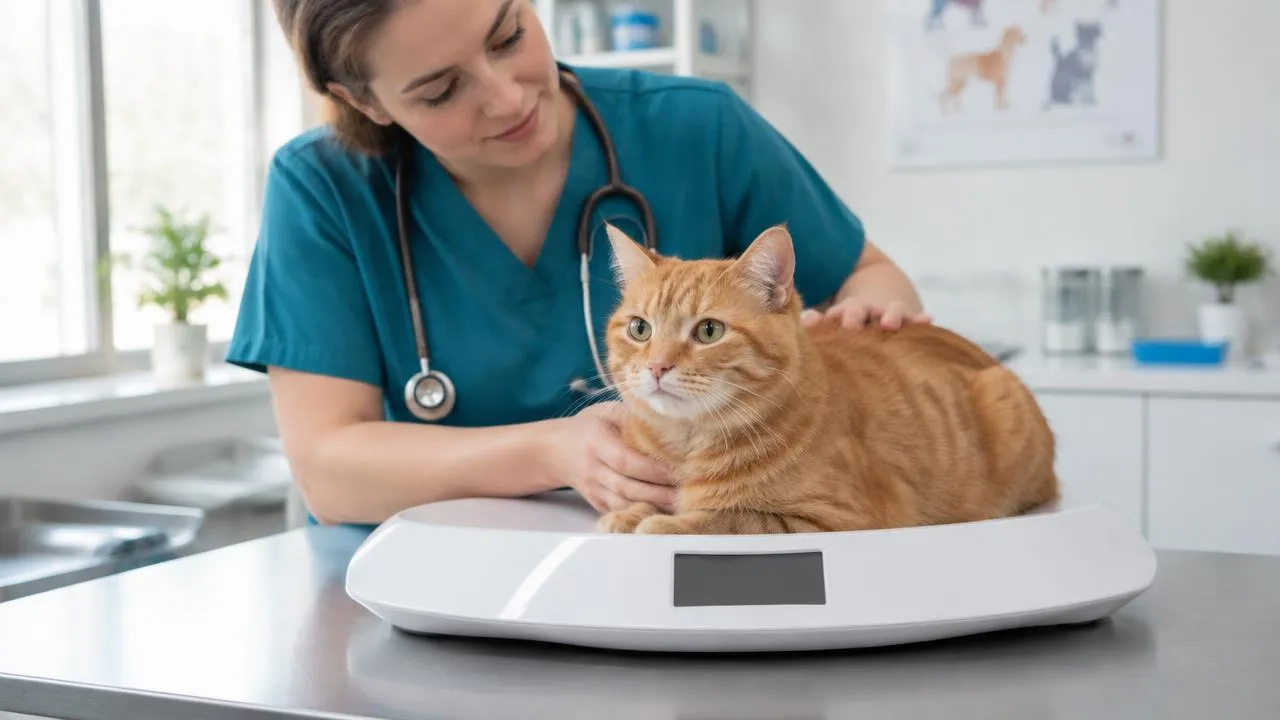
A cat's daily food ration depends on its individual needs and must be assessed alongside your veterinary surgeon. Measuring portions accurately and monitoring leftovers makes daily feeding routines far more reliable. The AAFP consensus statement notes that meal scheduling, feline behaviour, and the home environment are equally important considerations. These general guidelines provide a sensible starting point, but cannot replace professional veterinary advice tailored specifically to your companion.
Reviewing Current Feeding Habits
The quantity of dry kibble required cannot be determined by a single rule applicable to all cats. The AAFP recommends asking your veterinary surgeon for the correct daily intake and the most reliable way to measure individual portions. Current body weight, physical condition, and specific metabolic needs must all be taken into account. The container you select must also correspond directly with your chosen measuring tool. If you use a volumetric scoop, fill it in the exact same manner at every feed; otherwise, the portion size will fluctuate. Weighing dry food provides a far more direct and objective reference point.
A digital kitchen scale enables you to weigh kibble with dependable precision. Measuring portions by volume remains an option, but veterinary consensus statements highlight that this technique is frequently imprecise. Stick to the method agreed with your vet and maintain it consistently so you can compare daily intake accurately. A written feeding plan prevents guesswork when multiple people share feeding responsibilities at home. Clearly define the unit of measurement and designated portion size so that instructions are completely transparent and leave no room for misinterpretation.
Measuring and Monitoring Rations
Prepare each meal whilst noting down the precise amount offered. If dry food remains accessible throughout the day, compare what was initially served with any leftovers remaining after twenty-four hours. This record provides a realistic estimate of genuine intake, rather than an assumption based solely on the apparent food level in the dish. While uneaten kibble offers helpful clues, it cannot tell you which cat consumed the food. In multi-pet homes, observe feeding times separately whenever you wish to monitor an individual cat's true intake.
When caring for several cats, monitor each pet individually. A shared feeding bowl often prevents you from knowing which animal ate and how much was consumed. The AAFP statement indicates that separate feeding zones can be highly advantageous, making it considerably easier to track individual portions without disturbance. Label pre-portioned meals clearly if you weigh and divide rations in advance. This simple habit ensures everyone recognises what has been allocated for each feed, substantially reducing daily distribution errors.
Organising Daily Feeding Routines
Dividing the daily food allowance into several smaller meals is recommended in consensus guidelines. Schedule these portions at times that suit your household routine, without adding anything to the total daily amount advised by your vet. Clear notes displayed in the kitchen can remind all family members what has already been served. The measured ration may be offered in a standard bowl, an automated dispenser, or a suitable puzzle feeder. Regardless of the container, the total daily quantity remains your primary reference point.
Dry food can be offered in an interactive puzzle feeder if the device is intended for kibble. Begin with a simple, accessible mechanism and check that your cat knows how to retrieve the biscuits comfortably. Enrichment toys should never obscure the total amount of food provided. The AAFP points out that owners frequently misjudge portions when relying solely on measuring cups. If your results seem inconsistent, consult your veterinary surgeon to see whether another measurement method would be more appropriate.
Encouraging Foraging and Enrichment
An automatic feeder provides a practical scheduling option, but it does not represent an independent nutritional monitoring tool. Operating mechanisms vary depending on the device, so always refer to the manufacturer's manual. Verify that portions dispense exactly as intended and that your cat can eat without difficulty. Keep your measurement notes and original pet food packaging on hand during consultations about nutrition. Having precise product information enables veterinary professionals to provide genuinely relevant, practical advice.
Take note of any changes in your cat's weight, body condition, or appetite when speaking with your vet. Routine monitoring is particularly crucial for senior cats, frail pets, or those managing long-term health issues. Never adjust feeding rations on your own if your cat has specific medical needs. It can be helpful to measure everything offered over a set period and share these observations during appointments. Avoid altering food quantities without professional veterinary guidance whenever clinical considerations apply.
Adapting Feeding Logs and Follow-up
A daily portion log can track dates, weights, leftovers, and mealtime context. This record makes consultations far more effective and highlights days when household routines differed from the norm. Treat your log as an observational aid rather than a substitute for individual veterinary advice. Regular tracking helps identify routine discrepancies, such as an earlier feed or a bowl topped up by a visitor. Record these circumstances in your notebook. Keeping consistent records helps you prepare for appointments and supports constructive follow-up discussions.
At Accessoires Chat, our black Wi-Fi connected feeder is currently in development and is not yet available for purchase. Its retail price has not been confirmed, and the accompanying image is for illustrative purposes only. Final features and specifications must be verified in the instruction manual of the model delivered. In the meantime, a digital kitchen scale and a simple notebook are all you need to record quantities and discuss them with your vet.
Sources and further reading
This advice is for information only and does not replace your veterinarian's opinion.