
Sorting and recycling: where to dispose of an old cat tree
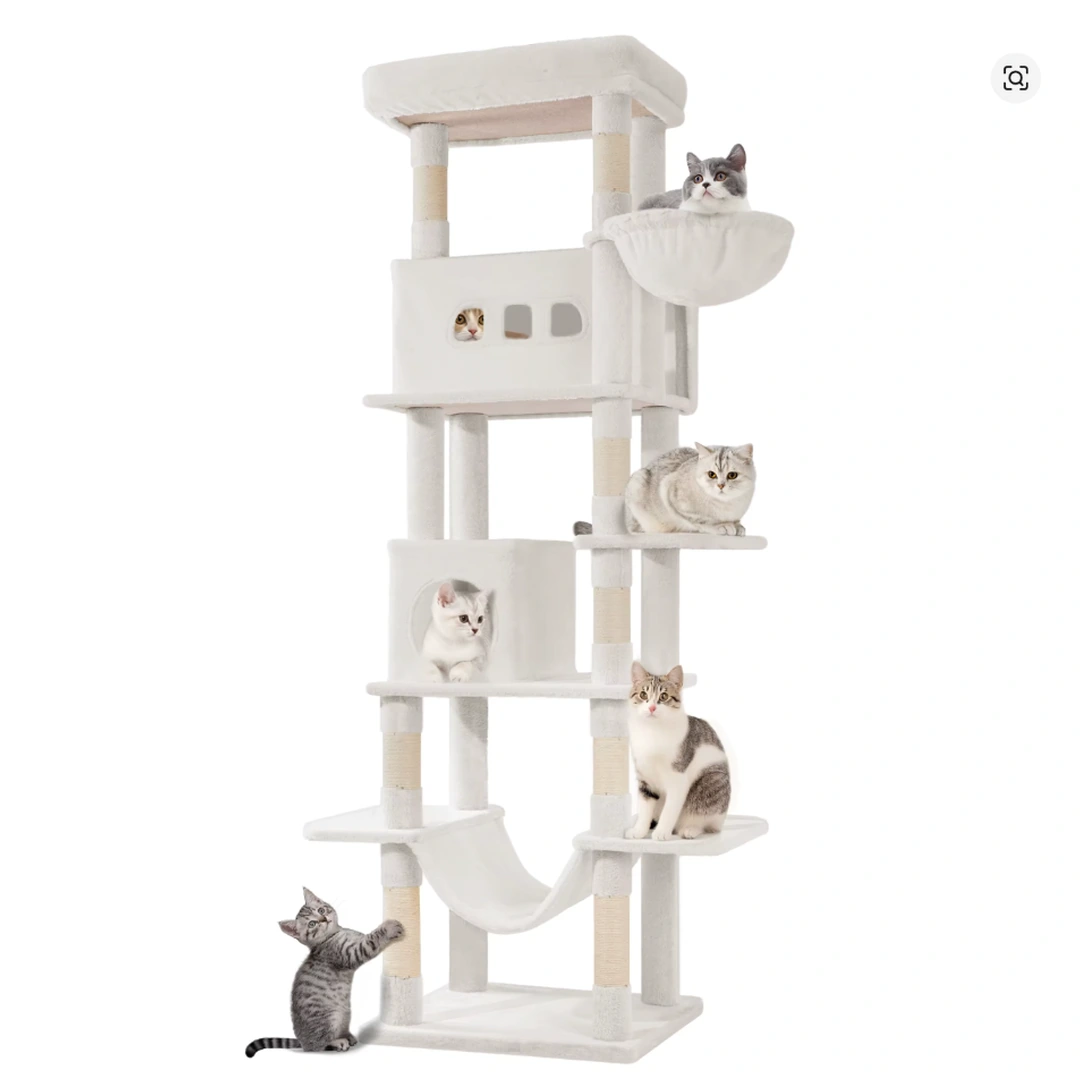
An old cat tree does not automatically belong in your general waste bin or your recycling bin. Its panels, posts, coverings and fixings contain different materials that may need different destinations. If you are searching for “where to dispose of a cat tree”, start by checking its condition, then contact your local waste management service. The right route depends both on what the item contains and on the options available in your area. Donation remains a possibility, but only for equipment that is still safe and clean.
Where to dispose of a cat tree: check local rules first
Before loading your vehicle, check your local council’s information or contact the recycling centre. Describe a piece of cat equipment made from several materials, rather than simply asking where to leave wood. Give its approximate dimensions, mention any glued fabric and explain whether some parts can be separated.
Ask whether the site accepts the item whole or dismantled, and where you should present it. Depending on local arrangements, a bulky waste collection or another disposal route may be available. Check access requirements, whether you need an appointment and the drop-off arrangements before making any journey.
Do not assume you can leave a cat tree on the pavement because other furniture is already waiting there. Any item left out must meet the rules of an authorised collection. Similarly, a bin for packaging is not the default destination for plastic or cardboard components.
Separate materials without trying to pull everything apart
Identify the main material groups: wood or wood-based panels, cardboard tubes, metal elements, plastic parts, rope and textiles. This helps you prepare for sorting, but does not guarantee recyclability. A carpet-covered panel or a tube containing substantial glue may need a different route from a clean, separate material.
Separate only components accessible using the actions and tools specified by the manufacturer. For any technical point, check the instructions for the particular model. The aim is not to break every part into fragments: avoid sawing, crushing or tearing apart a resistant assembly just to recover more material.
Put screws and small metal parts in a closed container so they cannot scatter during transport. Keep other components separate where this is straightforward. At the site, explain which coverings and assemblies remain; follow staff directions rather than choosing a skip solely by the material’s appearance.
Donate only equipment that can genuinely be reused
Donation can extend a cat tree’s useful life, but should not pass a problem on to someone else. Reserve this option for equipment that is clean, complete and still safe. Broken components, sharp edges or uncertain structural strength do not become acceptable simply because an item is free.
Before offering a donation to a charity or an individual, send recent photographs and an honest description of its condition. Mention visible defects and include the instructions if you have them. First ask whether this kind of equipment is accepted: nobody should receive a bulky item without agreeing beforehand.
Do not offer dirty equipment, or equipment suspected of harbouring parasites, while leaving the recipient to deal with the problem. If parasites are present, consult a vet and suspend the donation. If safe, clean reuse is not possible, follow local rules for disposing of it as waste.
Prepare for drop-off without scattering waste
Once the destination is confirmed, gather the components somewhere your cat and children cannot access. Do not leave loose rope, staples or screws lying around. Handle damaged surfaces carefully, and stop separating parts if doing so exposes sharp points or creates splinters that are difficult to contain.
For the journey, arrange components to prevent movement and small parts falling out. Match transport to the actual volume, and ask for help if handling seems difficult. Packaging used for transport may need removing at the drop-off point: check beforehand to avoid mixing materials.
Do not abandon pieces outside a closed recycling centre or beside a full container. If a category is refused, ask for an appropriate solution instead of slipping it into another waste stream. This final check matters: separating components is useful only if each then reaches a destination that actually accepts it.
Remove the old tree while preserving your cat’s familiar surroundings
Removing the item also affects your cat’s habits. If it is still safe, you can organise its removal without suddenly taking away all familiar reference points. If it poses a danger, prevent access without waiting for collection day. Keep familiar opportunities for resting, retreating and scratching available elsewhere.
The AAFP and ISFM guidelines on feline environmental needs (2013) highlight hiding places, elevated perches, separate resources, scratching, familiar scents and respectful interactions. These principles help you plan the transition without requiring you to keep damaged equipment or reproduce its previous arrangement exactly.
Let your cat explore the available alternatives at its own pace, without forcing it onto new equipment. Consult a vet for any sign of pain, limping, a fall, parasites or changed behaviour. Sorting the old tree concerns the physical item; it never replaces advice about your cat’s health.
VEYRULIS is preparing a tall, multi-level cat tree measuring 210 cm, a draft product not yet on sale. The price has not been approved, and the colour variant remains to be confirmed. Its specifications will need checking against the instructions for the model delivered. Keeping those instructions will help identify its components when sorting them at the end of use.
Sources and further reading
This advice is for information only and does not replace your veterinarian's opinion.