
Re-covering a cat tree: creating neat, secure platforms
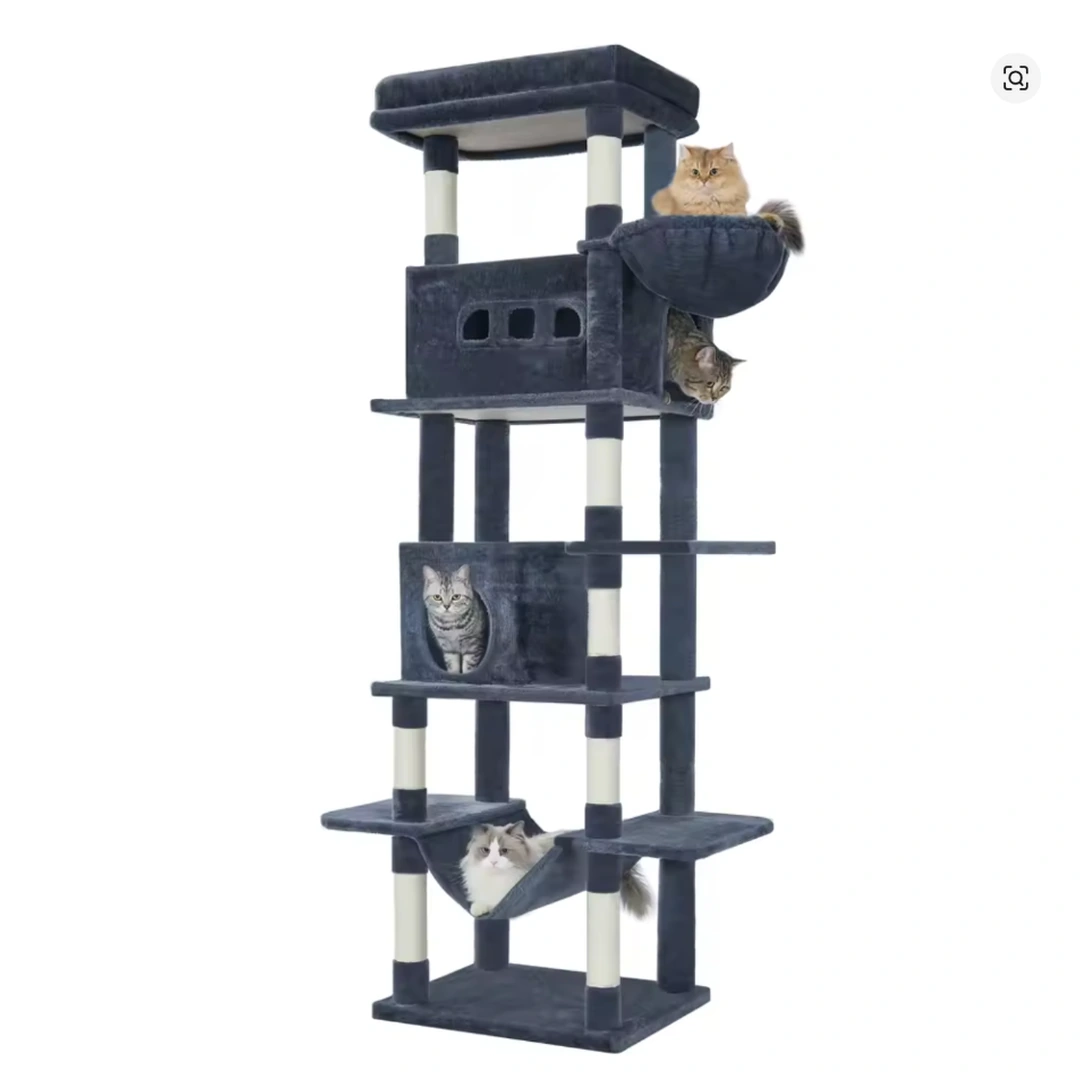
Has the fabric on your cat tree's platforms worn thin, started peeling away, or begun gathering into loose folds beneath their paws? Searching for advice on how to re-cover a cat tree often points to an apparently simple shortcut: wrapping fresh material straight over the old covering. However, a genuinely successful refurbishment starts with stripping it off and carefully inspecting the underlying timber board. The objective is not merely aesthetic; you must restore a smooth, high-traction surface with neatly tailored edges that prevent any feline access to fixings.
1. Re-covering a cat tree: preparing the supporting board
Before undertaking any work, consult the manufacturer's manual: permitted dismantling steps, board composition, and compatible fastening methods must guide every practical decision. If these details are missing, seek direct confirmation from the manufacturer rather than guessing or improvising. Keep your cat safely in another room whilst working and take clear reference photographs of structural details before removing the fabric. You can keep the old covering as a rough cutting template, but avoid using stretched sections for accurate measurements. Note the original fabric grain direction across each individual platform.
Only detach parts specifically designed for removal, using the correct tools specified by the manufacturer. Ensure no stray metal staples, hardened glue deposits, or loose threads remain anywhere on the bare board. Inspect the edges with particular care: crumbly, swollen, or cracked composite panels cannot provide a sound, safe base for new upholstery. Never attempt to conceal these structural defects beneath extra layers of fabric. Confirm with the manufacturer whether an official replacement platform is available or if the entire renovation should be abandoned.
2. Selecting a fabric that offers reliable grip under paw
Look for an upholstery textile that matches the manufacturer’s recommendations, offering sufficient density and enough flexibility to hug the edges cleanly. Stroke the material firmly in several directions: reject overly smooth weaves if they compromise grip and cause your cat to slip. Equally, avoid deep pile and looped fabrics that could easily snag an extended claw. Testing a small fabric sample helps you evaluate the texture, thickness, and fold behaviour before cutting into the main piece designated for the platform.
Traction also depends heavily on what sits directly beneath the fabric. A pleasant material can still shift under paw if poorly secured, whilst excessive padding can bunch up or interfere with structural post joints. Replicate only the exact layering authorised in the manual, avoiding additional foam padding by default. The 2013 AAFP and ISFM feline environmental needs guidelines highlight the vital importance of elevated perches and reassuring scents; preserve undamaged neighbouring components whenever their physical condition and cleanliness reliably allow.
3. Cutting out and tensioning without creating creases
Lay the detached platform onto the reverse side of the textile and trace its outline, allowing enough margin for underside returns based on the original assembly and manufacturer guidelines. Identify all screw holes and fixing points before cutting: these channels must remain clear, with no fabric trapped in their mechanical seatings. Always carry out a dry test fit first. This reveals misaligned fabric patterns, skimpy margins, or awkward bulk that would prove very difficult to correct once fixings are permanently applied.
If the approved method permits progressive tensioning, work methodically outwards from the centre toward opposite sides. The fabric should lie flat across the board without warping the panel or straining anchor points. Regularly sweep your palm over the top surface to confirm no air pockets or ripples have formed. If adhesive is permitted, strictly follow the compatible materials, safety precautions, and full curing times stated by the product manufacturer before bringing the platform back into regular use.
4. Finishing edges and keeping all fixings inaccessible
The perimeter contours and corners often present the most demanding challenge of the project. An undersized fold will pull free under claws, whilst overlapping folds create uneven lumps along the underside edge. Fold and test corners dry before trimming away surplus material, neatening pleats on the underside away from primary resting zones. For rounded platforms, only make small relief cuts if the design permits, never snipping so close to the visible edge that the tensioned fabric frays or weakens.
Only use staples if the manufacturer explicitly approves them for the specific board material. Never guess staple length based on estimated panel depth alone. No points must poke through, no crowns should protrude, and your cat must never be able to reach them, even when investigating from underneath. Reinstall any dedicated protective underside dust-cover. If you cannot safely conceal fixings with a durable finish, abandon this method rather than relying on hazardous adhesive tape.
5. Inspecting the final finish before reintroducing the platform
Once upholstered, inspect the top, edges, and underside under bright, direct lighting. Wipe a clean cloth along the perimeter to detect any snags, sharp points, or rough edges, and gently check that folded returns do not lift under light finger pressure. This physical check does not replace the safety checks required by the manufacturer's instructions. Reassemble the tree strictly according to the manual and keep your cat away until any glue or adhesives have cured completely.
Allow your cat to explore the refreshed platform at their own pace, without picking them up or forcing them onto it. Watch closely whether the fabric remains firm when they leap or land, and inspect the edges again after initial use. Any recurring crease or lifting corner means removing access and redoing the finish immediately. If your cat shows signs of pain, limping, unexpected falls, parasites, or behavioural changes, consult a vet promptly rather than blaming the fabric.
VEYRULIS is currently developing a 210 cm multi-level tall tower cat tree, which is not yet available for sale. Its retail price has not been validated and its exact colour variant remains to be confirmed. Should you consider replacing the platform fabric on this model in the future, all design features and approved servicing methods will need to be checked against the instruction manual supplied with the delivered unit.
Sources and further reading
This advice is for information only and does not replace your veterinarian's opinion.