
Ideal litter box size: starting from the cat's dimensions
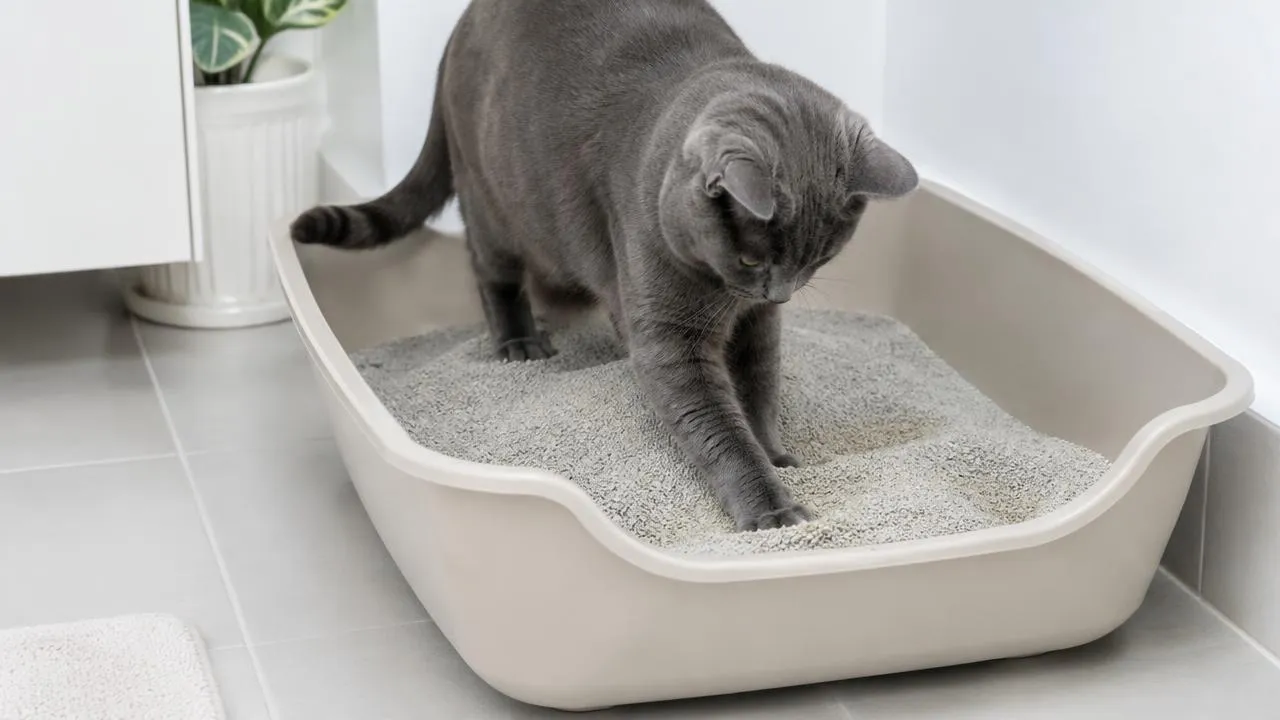
The ideal litter box size is not merely deduced from an "adult" or "large model" label. What matters is the space offered to your companion to adopt their usual posture. The 2014 AAFP/ISFM guidelines propose a benchmark based on the animal's length and emphasise that dimensions matter as much as the number of toilets. To choose, start with a relevant measurement, then examine the shape, opening, and layout of the home.
A reference length, from the nose to the base of the tail
According to the AAFP/ISFM, a rectangular box should measure one and a half times the length of the cat taken from the nose to the base of the tail. The entire tail is not part of this measurement. This precision avoids a misleading comparison between an animal measured differently and the dimensions announced for a container. Note the benchmark obtained before browsing the available formats. Ensure the internal space accommodates the full body length comfortably.
To illustrate the calculation, a cat whose length is forty centimetres would lead to seeking sixty centimetres of box length. This is simply the application of the recommended proportion, and not a standard size valid for all animals. The document does not give an equivalent formula allowing for the automatic calculation of every width or height. Do not extend the ratio to dimensions it does not define. Always prioritize the actual functional area for the cat.
Correctly interpreting results cited by the authors
The recommendations report a study in which adult cats preferred an 86 by 39-centimetre box over a smaller model. This observation supports the interest of providing generous space, but does not transform these two values into a universal obligation. A comparative result and a benchmark adapted to the cat's length do not have exactly the same function in your decision. Use these figures as a guide rather than as rigid requirements for every household.
The text also notes that many commercial boxes are too small. Before selecting a box for its ease of fitting into a piece of furniture, put the animal back at the centre of the choice. A good question would be: "what dimensions are offered to them?", rather than only "how much space does this object take up in my home?". This distinction allows for reading a product sheet with a clearer and more cat-centric objective.
Looking at the volume actually available under a lid
The AAFP/ISFM specifies that a small covered litter house can prevent a large cat from normally adopting its elimination posture. A lid must therefore not make one forget the space left inside. The useful comparison concerns the space accessible to the body, not just the outer silhouette of the object. If this information is not clear, do not deduce habitability from a photograph. Check internal measurements carefully to ensure the cat can move freely.
The same source recommends open trays when possible, notably because they facilitate observation and waste collection. However, it reports shared preferences between large covered and uncovered trays. Size alone does not allow one to declare that a shape will always be accepted. It constitutes a criterion to be associated with the cat's preferences and maintenance, rather than a promise of a result. Observe your cat's behaviour to determine their specific structural preference.
Checking the entry and considering simple formats
Whatever the design chosen, the opening must allow the cat to enter easily, the authors indicate. They notably illustrate a container whose lowered side facilitates use by an elderly animal or one with a degenerative joint condition. A large interior space does not compensate for an entry that is difficult to cross. In your comparison, therefore, treat the dimensions of the box and the conditions for accessing it as two separate, important factors.
When usual aisles do not offer a sufficiently large tray, the guidelines mention alternatives such as storage containers or mixing trays. They present these solutions for their dimensions, without imposing a brand or a price. The idea to remember is that an object sold specifically as a feline toilet is not the only conceivable format. Always evaluate the access and the space available for your animal, regardless of the product's original commercial intended use.
Combining dimensions, cleanliness, and monitoring changes
A large box still requires maintenance. The recommendations call for waste removal at least once a day, as well as adding litter as needed. Washing is scheduled every one to four weeks, with hot water and soap; strong chemical or ammonia-based products are to be avoided. Choosing a generous format does not, therefore, constitute a way to eliminate cleaning. Regular maintenance remains vital for hygiene and the cat's continued acceptance of the area.
If the cat starts urinating elsewhere, do not conclude that a measurement necessarily explains everything. The MSD Veterinary Manual cites this manifestation, along with blood in the urine, frequent urination, and straining to urinate, among the signs of lower urinary tract disease. Report these observations to the vet. The examination of the box contributes to the environmental assessment, while the search for a medical cause requires a separate and professional clinical evaluation.
A connected automatic litter box, in a round format, is in preparation at Accessoires Chat. This product is not yet for sale; no price is validated. Its image is illustrative and does not confirm its dimensions. Specifications must be checked on the instructions of the delivered model. Regarding an automatic device, check the instructions of the exact model for the information necessary for your choice. This model remains a draft for future sale.
Sources and further reading
- AAFP and ISFM Guidelines for diagnosing and solving house-soiling behavior in cats (Journal of Feline Medicine and Surgery, 2014)
- Manuel vétérinaire MSD — Lower Urinary Tract Disease in Cats
This advice is for information only and does not replace your veterinarian's opinion.